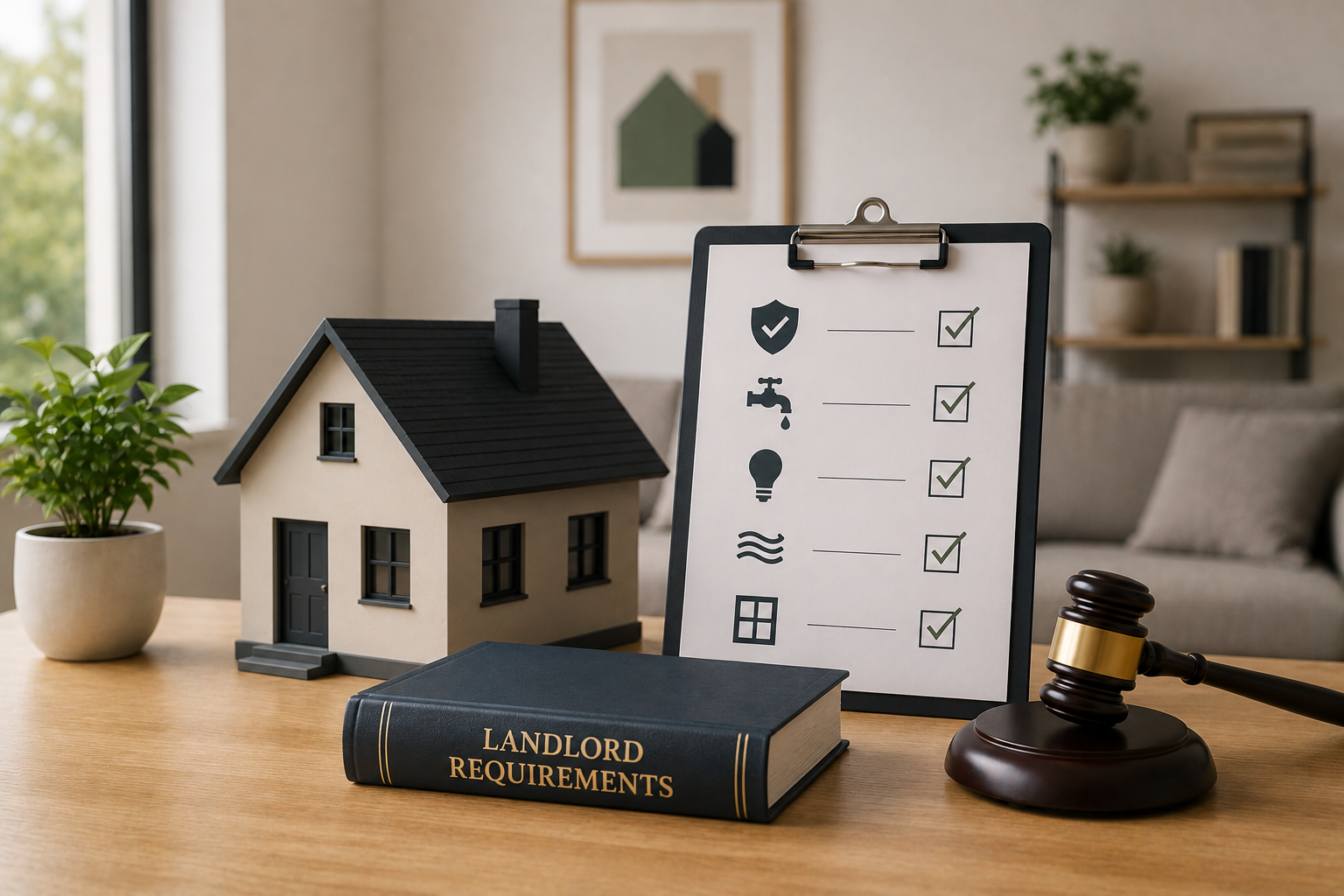
Security deposit laws in the United States vary considerably from state to state, and in some cases even from city to city, covering everything from how much a landlord can charge to how quickly a deposit must be returned after a tenant moves out. Because these rules differ so significantly across jurisdictions, both landlords and tenants need to understand the general framework governing security deposits while also verifying the specific rules that apply in their particular location. This guide explains the common principles behind security deposit regulations, the typical rights and responsibilities of both landlords and tenants, and how to protect yourself whether you are renting out a property or renting from someone else.
What Is a Security Deposit and Why Do Landlords Require One?
A security deposit is a sum of money collected from a tenant at the start of a lease, held by the landlord as financial protection against unpaid rent, damage to the property beyond normal wear and tear, or other lease violations that might result in financial loss for the landlord.
Requiring a security deposit gives landlords a practical way to recover certain costs without needing to pursue a tenant through small claims court for every minor issue, while also giving tenants a strong financial incentive to take good care of the property and fulfill their lease obligations throughout the tenancy.
Is There a Nationwide Limit on How Much a Security Deposit Can Be?
There is no single federal law capping security deposit amounts, since this is generally regulated at the state or local level, and the allowable amount varies significantly depending on where the rental property is located, with some states imposing strict limits, such as one or two months rent, while others impose no limit at all.
Because these limits differ so dramatically by location, it is essential to research the specific security deposit cap, if any, that applies in your particular state or city before setting a deposit amount as a landlord, or before agreeing to pay a requested deposit amount as a prospective tenant.
How Long Does a Landlord Typically Have to Return a Security Deposit?
Most states require landlords to return a security deposit, or provide an itemized list of deductions along with the remaining balance, within a specific timeframe after the tenant moves out, commonly ranging from fourteen to thirty days depending on the particular state's requirements.
Failing to meet this deadline can expose a landlord to significant legal consequences in many jurisdictions, sometimes including penalties requiring the landlord to pay the tenant double or even triple the withheld amount, making it essential for landlords to understand and strictly follow their specific state's timeline requirements.
What Can a Landlord Legally Deduct From a Security Deposit?
Landlords are generally permitted to deduct amounts for unpaid rent, damage to the property beyond normal wear and tear, and sometimes cleaning costs if the property was left significantly dirtier than its condition at move in, though the specific allowable deductions can vary somewhat depending on local regulations.
It is important to understand the legal distinction between normal wear and tear, which generally cannot be deducted, and actual damage caused by the tenant, which can typically be deducted, since disputes over this distinction represent one of the most common sources of conflict between landlords and tenants regarding security deposits.
What Is the Difference Between Normal Wear and Tear and Actual Damage?
Normal wear and tear refers to the gradual deterioration that naturally occurs simply from ordinary use of the property over time, such as minor scuffs on walls, slightly worn carpet in high traffic areas, or fading paint, none of which a landlord can typically deduct from the security deposit.
Actual damage, by contrast, refers to harm caused by negligence, accidents, or intentional actions beyond what would naturally occur through normal daily living, such as large holes in walls, broken fixtures, or significant stains on carpet, which landlords can generally deduct from the deposit to cover the cost of repair.
Should Landlords Conduct a Move In Inspection With Tenants?
Conducting a thorough move in inspection with the tenant present, documenting the property's condition through detailed notes and photographs, creates a clear baseline record that both parties can reference later when determining what constitutes new damage at move out versus preexisting conditions or normal wear and tear.
Many states actually require landlords to provide tenants with a written move in inspection checklist, and having both parties sign and date this document at the start of the tenancy provides valuable legal protection for both sides if any dispute arises later regarding the property's condition at the end of the lease.
How Should a Move Out Inspection Be Handled?
A move out inspection should be conducted promptly after the tenant vacates the property, comparing the property's current condition against the documented move in condition to identify any damage beyond normal wear and tear that would justify a deduction from the security deposit.
Some states require or strongly encourage landlords to offer tenants the opportunity to be present during the move out inspection, allowing tenants to see firsthand any damage being cited and potentially resolve minor disagreements on the spot rather than through a more contentious dispute process after the fact.
What Should an Itemized Deduction List Include?
When a landlord withholds any portion of a security deposit, most states require providing the tenant with a written itemized statement listing each specific deduction, the reason for it, and the associated cost, often along with supporting documentation such as repair invoices or receipts for cleaning services.
Providing this level of detail protects landlords by demonstrating that deductions were reasonable and directly tied to actual costs incurred, while also giving tenants the information they need to understand and, if necessary, formally dispute any deduction they believe was applied unfairly or inaccurately.
Can Tenants Dispute Security Deposit Deductions They Believe Are Unfair?
Tenants who believe a landlord has made improper or excessive deductions from their security deposit generally have the right to formally dispute those deductions, often starting with a written letter to the landlord outlining specifically why the tenant believes the deduction was improper or inflated.
If a dispute cannot be resolved directly between the tenant and landlord, many tenants pursue the matter through small claims court, which is generally designed to handle these types of relatively modest financial disputes without requiring formal legal representation, making it an accessible option for tenants seeking to recover improperly withheld deposit funds.
Do Landlords Need to Keep Security Deposits in a Separate Account?
Many states require landlords to hold security deposits in a separate bank account from their personal or general business funds, sometimes specifying that the account must be interest bearing, with any accrued interest potentially owed to the tenant depending on the specific state requirements.
Failing to comply with these separate account requirements can create legal complications for landlords, particularly if a dispute arises, since commingling deposit funds with personal or operating funds may be viewed unfavorably by a court and can sometimes affect a landlord's ability to justify certain deductions.
What Happens to a Security Deposit If a Rental Property Is Sold?
When a rental property changes ownership during an active tenancy, the outgoing landlord is generally required to transfer the tenant's security deposit to the new owner, along with detailed records of the deposit amount and any relevant move in condition documentation, ensuring continuity of the tenant's deposit protection.
Tenants should request written confirmation from both the outgoing and incoming landlords regarding the transfer of their security deposit during a property sale, since maintaining clear documentation protects the tenant's right to eventually receive their deposit back, regardless of any change in property ownership during their tenancy.
Can a Landlord Require a Nonrefundable Fee in Addition to a Refundable Deposit?
Some landlords charge additional nonrefundable fees, such as a pet fee or an administrative fee, separate from the refundable security deposit, though the legality and specific rules surrounding these additional fees vary considerably depending on state and local regulations governing rental transactions.
Tenants should carefully review their lease agreement to understand exactly which charges are refundable security deposits subject to standard deposit return laws, and which are truly nonrefundable fees for specific services or privileges, since these two categories are often treated very differently under applicable state law.
How Should Tenants Protect Themselves When Paying a Security Deposit?
Tenants can protect themselves by requesting a written receipt for their security deposit payment, participating actively in a thorough move in inspection, taking their own photographs and video of the property's condition, and keeping copies of all lease related documents throughout their tenancy for their own personal records.
Maintaining organized records throughout the tenancy, including any communication with the landlord about maintenance issues or repairs, provides valuable documentation if a dispute over the security deposit arises after move out, helping tenants demonstrate that any damage present was either preexisting or a landlord's responsibility to address.
Why Is It Essential to Verify Your Specific State and Local Laws?
Because security deposit regulations vary so significantly across the United States, covering deposit limits, holding requirements, return timelines, and allowable deductions, both landlords and tenants should always verify the specific rules applicable in their particular state and city rather than relying on general assumptions or rules that might apply elsewhere.
Consulting your state's official housing authority website, a local tenant rights organization, or a real estate attorney familiar with landlord tenant law in your specific jurisdiction is the most reliable way to ensure you fully understand and comply with the security deposit rules that actually govern your particular rental situation.
How Do Security Deposit Rules Differ for Commercial Versus Residential Leases?
Residential security deposit laws, including deposit limits, holding requirements, and return timelines, are generally more heavily regulated and tenant protective than commercial lease deposit arrangements, since commercial tenants are typically businesses negotiating lease terms with more equal bargaining power than an individual residential renter.
Commercial lease deposits are often governed primarily by the specific terms negotiated within the lease contract itself rather than by extensive statutory consumer protections, meaning commercial tenants should pay particularly close attention to the specific deposit terms written into their lease agreement rather than assuming residential style legal protections will automatically apply.
What Should Landlords Do to Minimize Security Deposit Disputes?
Maintaining detailed written communication with tenants throughout the tenancy, promptly addressing maintenance requests, and conducting thorough, well documented move in and move out inspections all help minimize the likelihood of a contentious security deposit dispute arising once a tenant moves out of the property.
Landlords who consistently apply the same standards and documentation practices across every tenancy, rather than handling each situation informally or inconsistently, tend to experience fewer disputes overall and are generally in a much stronger legal position if a disagreement does eventually escalate to a formal complaint or small claims proceeding.
How Can Tenants Use Small Claims Court to Recover a Withheld Deposit?
Small claims court is specifically designed to handle relatively modest financial disputes, including security deposit disagreements, without requiring formal legal representation, making it accessible for most tenants who believe a landlord has wrongfully withheld all or part of their deposit without adequate justification.
Before filing a small claims case, tenants should gather all relevant documentation, including the lease agreement, move in and move out photographs, any written communication with the landlord regarding the deposit, and a copy of any itemized deduction statement provided, since thorough documentation significantly strengthens the tenant's position in court.
Are There Special Security Deposit Rules for Subsidized or Affordable Housing?
Rental properties participating in government subsidized housing programs sometimes follow additional or different security deposit rules established by the specific program, which can include different deposit caps or additional procedural requirements beyond what applies to standard private market rentals in the same jurisdiction.
Both landlords participating in these programs and tenants renting subsidized units should familiarize themselves with the specific program guidelines governing security deposits, since these rules can sometimes differ meaningfully from the general state or local security deposit laws that would otherwise apply to a standard private rental agreement.
Frequently Asked Questions About Security Deposit Laws
Below are answers to some common questions about security deposits, though remember that specific answers can vary by state, so always verify local requirements for your particular situation.
Can a landlord charge a higher security deposit for tenants with pets?
Many landlords do charge an additional pet deposit or pet fee, though specific rules and limits regarding these additional charges vary considerably by state, and some jurisdictions have specific regulations distinguishing pet deposits from general security deposits collected at move in.
What happens if a landlord never returns a security deposit or provides an itemized list?
In most states, a landlord who fails to return a deposit or provide a required itemized statement within the legal timeframe may forfeit the right to withhold any portion of the deposit, and the tenant may be entitled to recover the full amount owed, sometimes along with additional penalties.
Can a security deposit be used to cover the final month's rent?
Generally, a security deposit is intended to cover damages and unpaid rent discovered after move out, and most leases do not allow tenants to simply apply their deposit toward their final month's rent without the landlord's explicit agreement, so this should be clarified directly with your landlord beforehand in writing.
Do security deposit laws apply the same way to month to month leases as fixed term leases?
The core security deposit rules generally apply similarly regardless of lease type, though the specific notice requirements and timing around ending a tenancy can differ between month to month arrangements and fixed term leases, potentially affecting when a final move out inspection and deposit return actually occurs.
Can a landlord deduct cleaning costs from a security deposit if the unit was left reasonably clean?
Generally, landlords can only deduct cleaning costs if the property was left significantly dirtier than its condition at move in, and routine cleaning between tenants that would be expected regardless of the previous tenant's behavior is typically not a valid deduction from the security deposit.
What should a tenant do immediately after receiving an itemized deduction list they disagree with?
A tenant who disagrees with itemized deductions should respond promptly in writing, clearly explaining which specific deductions are disputed and why, while requesting any supporting documentation such as repair invoices, since prompt written communication helps preserve the tenant's position if the dispute eventually proceeds to small claims court proceedings.
Understanding the general framework of security deposit laws, while always verifying your specific state and local requirements, helps both landlords and tenants navigate this important aspect of the rental relationship fairly and legally, reducing the likelihood of costly disputes and ensuring a smoother transition at the end of every tenancy, regardless of which state or city the rental property happens to be located in or how long the lease ultimately lasted from beginning to end.