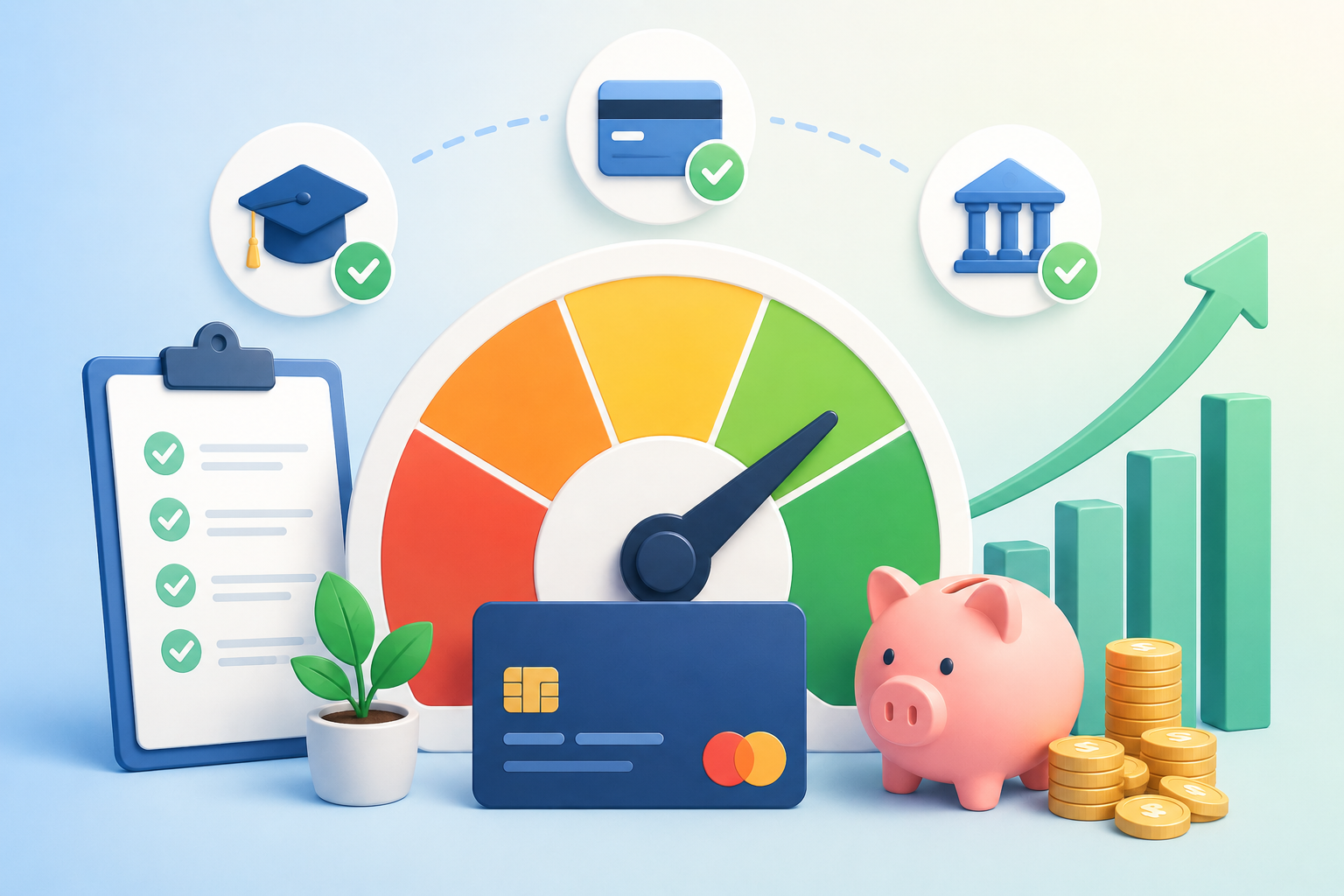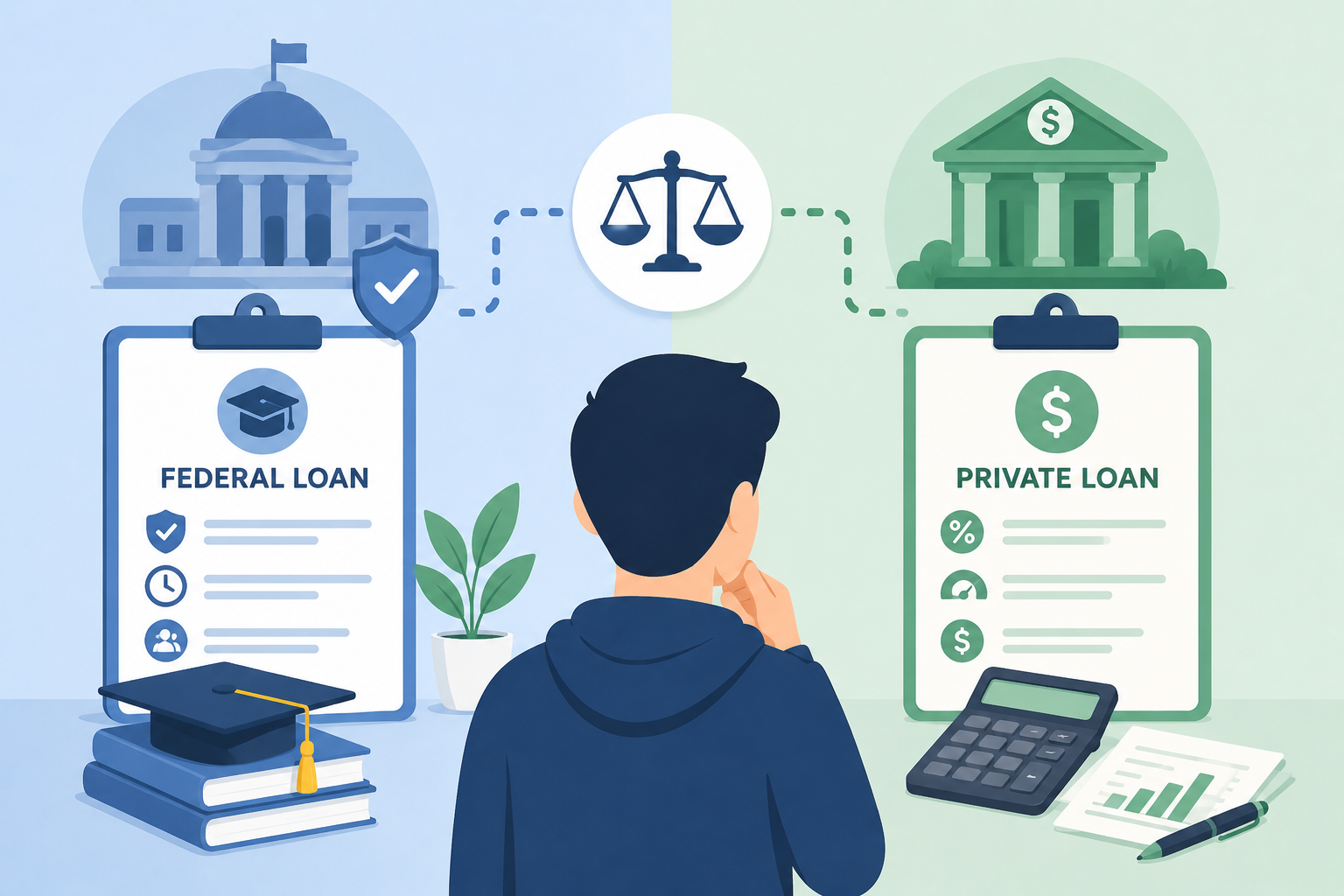
If you are carrying balances across multiple credit cards or other debts, two popular strategies for tackling that debt more efficiently are a debt consolidation loan and a balance transfer credit card. Both approaches aim to simplify your repayment and potentially lower your overall interest costs, but they work in fundamentally different ways and suit different financial situations. This guide compares both options in detail so you can decide which strategy, or combination of strategies, gives you the fastest and most cost effective path out of debt.
What Is a Debt Consolidation Loan?
A debt consolidation loan is a fixed term personal loan used to pay off multiple existing debts, such as credit card balances, medical bills, or other personal loans, combining them into a single new loan with one fixed monthly payment and typically a fixed interest rate for the entire repayment term.
Because the loan has a defined term, often ranging from two to seven years, you know exactly when your debt will be paid off, assuming you make every scheduled payment on time, which offers a clear and predictable path to becoming debt free compared to revolving credit card debt.
What Is a Balance Transfer Credit Card?
A balance transfer credit card allows you to move existing credit card debt onto a new card, typically one offering a promotional introductory annual percentage rate of zero percent or close to it for a set period, often ranging from twelve to twenty one months, giving you a window to pay down principal without accruing interest.
Once the promotional period ends, any remaining balance begins accruing interest at the card's standard ongoing rate, which can be quite high, so balance transfer cards work best for borrowers confident they can pay off the majority or all of their transferred balance before the promotional rate expires.
How Do the Costs of Each Option Typically Compare?
Debt consolidation loans charge interest from day one, though often at a considerably lower rate than typical credit card interest rates, particularly for borrowers with good to excellent credit, making the fixed rate loan a reliably lower cost option compared to carrying high rate credit card debt indefinitely.
Balance transfer cards can be essentially free of interest cost during the promotional period, provided you pay off the balance in full before it expires, but most charge an upfront balance transfer fee, typically between three and five percent of the transferred amount, which needs to be factored into your total cost comparison.
Which Option Provides a More Predictable Repayment Timeline?
A debt consolidation loan offers a fixed, predictable repayment timeline from the outset, with a set number of equal monthly payments that will fully pay off the loan by a specific date, making it easier to budget and plan around a known payoff schedule with no ambiguity.
A balance transfer card technically has no fixed repayment schedule, since it remains a revolving credit line, meaning the discipline to pay it off within the promotional window rests entirely on you, and it is easy to underestimate how quickly that promotional period will pass without a structured plan.
How Does Your Credit Score Affect Which Option Is Available to You?
Both debt consolidation loans and balance transfer credit cards generally require good to excellent credit to access the most favorable terms, meaning borrowers with lower credit scores may face higher interest rates on a consolidation loan or may not qualify for the best zero percent balance transfer offers at all.
If your credit score is on the lower end, it is worth checking prequalification tools offered by many lenders and card issuers, which typically use a soft credit inquiry to give you an estimate of your likely rate or approval odds without affecting your credit score in the process.
What Happens if You Cannot Pay Off a Balance Transfer in Time?
If you still owe a balance once the promotional period on a balance transfer card ends, the remaining balance begins accruing interest at the card's standard ongoing rate, which is often comparable to or even higher than typical credit card rates, potentially erasing much of the benefit you gained during the promotional window.
This risk is precisely why balance transfers work best when paired with a realistic, disciplined repayment plan calculated in advance, ensuring you divide your total transferred balance by the number of promotional months remaining to determine the monthly payment needed to fully eliminate the debt before interest resumes.
Can You Use Both Strategies Together?
Yes, some borrowers use a combination approach, transferring a portion of high interest credit card debt onto a promotional balance transfer card while using a debt consolidation loan to pay off other remaining balances that either do not qualify for a transfer or exceed the new card's credit limit.
This hybrid strategy can maximize your interest savings by capturing the zero percent promotional benefit where possible while still benefiting from a fixed, predictable loan structure for the remainder of your debt, though it does require careful tracking of multiple accounts and repayment deadlines simultaneously.
How Do Origination Fees Affect a Debt Consolidation Loan's True Cost?
Some debt consolidation loans charge an origination fee, typically ranging from one to eight percent of the loan amount, deducted upfront from your loan proceeds or added to your balance, which effectively increases the true cost of borrowing beyond what the advertised interest rate alone would suggest.
When comparing loan offers, always look at the annual percentage rate, which incorporates origination fees into a single standardized figure, rather than comparing base interest rates alone, since a loan with a lower rate but a high origination fee could end up costing more than a loan with a slightly higher rate and no fee.
Does Consolidating Debt Close Your Original Credit Card Accounts?
No, using a debt consolidation loan to pay off credit card balances does not require you to close the underlying credit cards, though you will want to avoid running up new balances on those cards again, since doing so would leave you with both the new loan payment and fresh credit card debt.
Many financial advisors recommend keeping older cards open with a zero balance after consolidating, since this helps preserve your average account age and available credit, both of which support a healthy credit utilization ratio and overall credit profile going forward.
How Does a Balance Transfer Affect Your Credit Utilization?
Opening a new balance transfer card increases your total available credit, which can improve your overall utilization ratio immediately, assuming your total debt does not increase, though your utilization on the new card itself will likely be high right after the transfer, since you moved a large balance onto it at once.
As you pay down the transferred balance over the promotional period, your utilization on that card will steadily improve, and maintaining low balances on your other cards during this time helps ensure your overall credit profile continues moving in a favorable direction throughout the process.
What Credit Score Impact Should You Expect From Either Strategy?
Applying for either a debt consolidation loan or a balance transfer card typically triggers a hard credit inquiry, causing a small, temporary dip in your score, but successfully paying down debt through either method generally improves your score over time as your utilization decreases and your payment history strengthens.
Consolidating credit card debt into an installment loan can also improve your credit mix, since scoring models view a healthy combination of revolving and installment credit favorably, potentially providing a modest additional boost to your score beyond what the utilization improvement alone would provide.
How Long Should You Expect a Debt Consolidation Loan Term to Last?
Debt consolidation loan terms commonly range from two to seven years, with shorter terms carrying higher monthly payments but lower total interest costs, while longer terms reduce your monthly payment burden at the expense of paying more total interest over the full life of the loan.
Choosing the shortest term you can comfortably afford each month generally minimizes your total interest cost, so it is worth running the numbers on a few different term lengths before committing to whichever option a lender initially presents as the default choice during the application process.
What Should You Look for When Comparing Balance Transfer Card Offers?
When comparing balance transfer offers, pay close attention to the length of the promotional zero percent period, the balance transfer fee percentage, the standard ongoing rate that applies after the promotion ends, and any annual fee the card might charge, since all of these factors affect your true total cost.
It is also worth checking whether the card requires you to complete the transfer within a specific window after account opening, often sixty to ninety days, since transfers requested after that window may not qualify for the promotional rate even though the account itself remains open and active.
Can You Transfer Balances Between Cards From the Same Bank?
Generally, no, most banks do not allow you to transfer a balance from one of their own existing cards to a new card they also issue, meaning your balance transfer strategy typically requires opening a new card with a different issuer than the one holding your current high interest balance.
This restriction is worth keeping in mind when shopping for a balance transfer card, since you will need to identify offers from issuers different from your current card companies, which is usually not a significant obstacle given the wide variety of balance transfer cards available across the market.
How Should You Decide Which Strategy Fits Your Situation Best?
If you have strong, consistent income and confidence you can pay off your transferred balance within the promotional period, a balance transfer card often provides the lowest overall cost option, assuming the transfer fee is outweighed by the interest savings during the zero percent window.
If your debt is too large to realistically pay off within a typical promotional period, or you prefer the certainty of a fixed structured repayment plan, a debt consolidation loan may be the more practical and psychologically manageable choice, even if it involves paying some interest from the outset.
What Mistakes Should You Avoid With Either Strategy?
A common mistake is consolidating or transferring debt without addressing the underlying spending habits that led to the debt in the first place, which can result in accumulating new debt on top of the consolidated amount, leaving you in a worse overall financial position than before you started.
Another mistake is failing to calculate the true required monthly payment needed to pay off a balance transfer before the promotional period ends, leading to an unpleasant surprise when the standard interest rate kicks in on a larger than expected remaining balance still owed on the account.
How Does Using a Financial Advisor or Credit Counselor Help With This Decision?
A nonprofit credit counseling agency can review your complete financial picture, including all of your debts, income, and expenses, and help you determine objectively whether a debt consolidation loan, a balance transfer, or an entirely different strategy, such as a formal debt management plan, best fits your circumstances.
Many of these counseling services are available at low or no cost, and working with a certified counselor can provide an unbiased perspective free from the sales incentives that loan officers or credit card companies might otherwise have when recommending their own specific products to you.
How Do Secured and Unsecured Consolidation Loans Differ?
Most debt consolidation loans are unsecured, meaning they do not require any collateral, and approval is based purely on your creditworthiness, income, and existing debt obligations, which is why unsecured loans typically carry somewhat higher interest rates than secured borrowing options for comparable amounts.
Some borrowers instead use a secured option, such as a home equity loan or line of credit, to consolidate debt at a lower rate, but this approach puts your home at risk if you fail to make payments, making it a meaningfully riskier choice than an unsecured personal loan for consolidating unsecured credit card debt.
What Happens to Autopay and Due Dates After Consolidating?
Once you consolidate multiple debts into a single loan, you only need to manage one due date and one autopay setup going forward, which significantly reduces the mental load and risk of accidentally missing a payment compared to juggling several separate credit card due dates each month.
This simplification alone is a meaningful benefit for many borrowers, since a single missed payment across multiple accounts can be easy to lose track of, and consolidating into one loan with automatic payments removes much of that administrative risk from your monthly financial routine entirely.
Frequently Asked Questions About Debt Consolidation Loans and Balance Transfers
Below are answers to some of the most common questions people have when comparing a debt consolidation loan against a balance transfer credit card.
Which option is generally cheaper if I can pay off the debt quickly?
If you can realistically pay off your balance within the promotional period, a balance transfer card is usually the cheaper option, since you avoid most or all interest charges, whereas a consolidation loan begins accruing interest immediately regardless of how quickly you repay it.
Does applying for both options at once hurt my credit score more?
Applying for multiple credit products in a short window can cause several hard inquiries, each causing a small temporary dip, so it is generally wiser to research and choose one strategy rather than applying broadly for several loans and cards at the same time.
Can I consolidate debt if my credit score is not very strong?
Yes, though you may receive a higher interest rate or need a cosigner to qualify for the most competitive terms, and some lenders specialize in working with borrowers who have fair rather than excellent credit, though rates in that tier are naturally less favorable.
Is it possible to do a balance transfer more than once?
Yes, some borrowers transfer a remaining balance to a new promotional card once an earlier promotional period ends, though this requires qualifying for a new card each time and depends on continued availability of competitive promotional offers in the market.
Should I close old credit cards after paying them off through consolidation?
Generally no, keeping older accounts open with a zero balance helps preserve your average account age and total available credit, both of which support a healthier credit profile, unless the card carries a high annual fee you no longer wish to pay.
Both debt consolidation loans and balance transfer credit cards can be genuinely effective tools for tackling high interest debt, but choosing the right one depends heavily on the size of your balance, your confidence in your own repayment discipline, and how quickly you realistically expect to become debt free. By carefully comparing the true costs and structures of each option, you can select the strategy that gets you out of debt fastest while spending the least amount of money along the way toward lasting financial freedom.