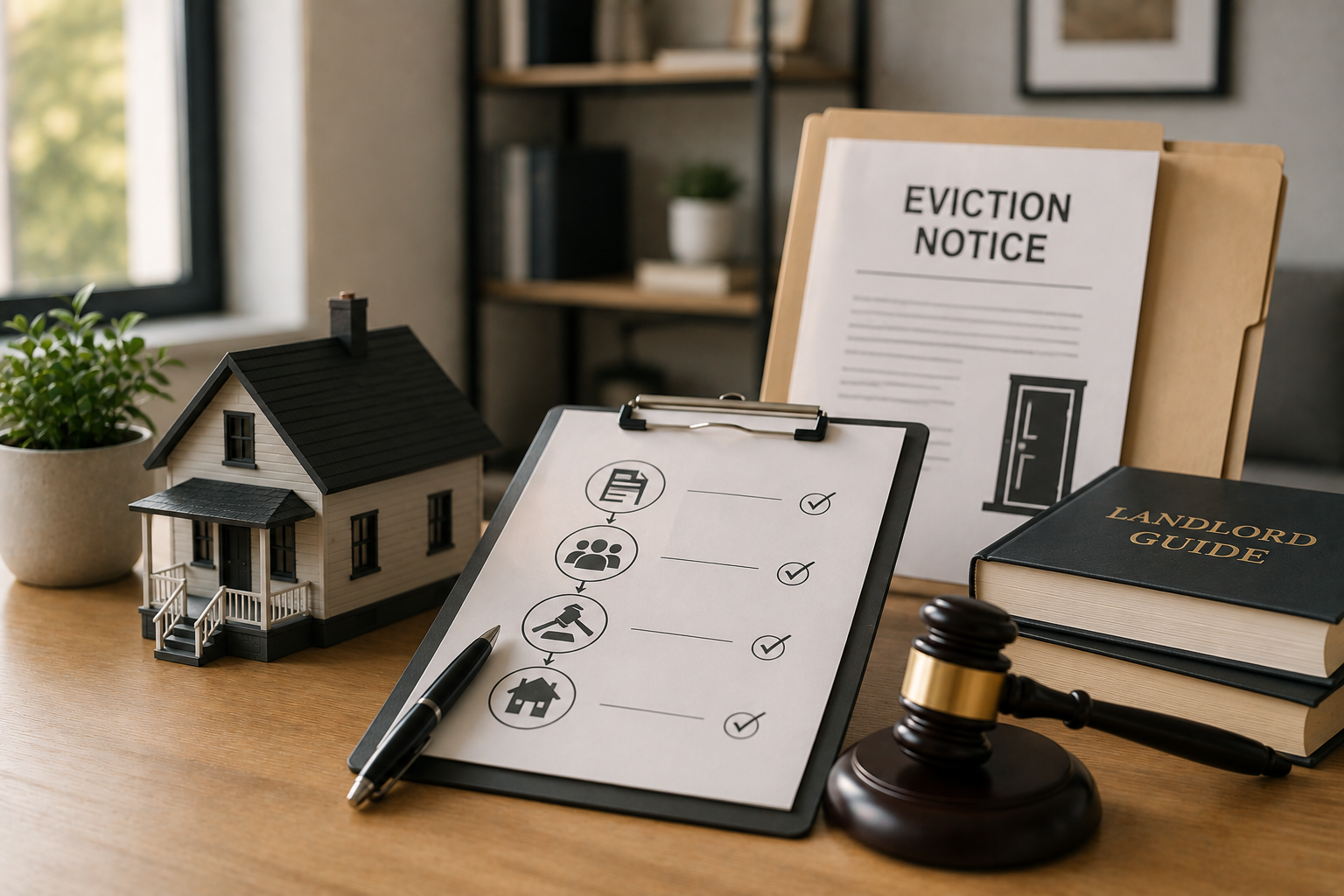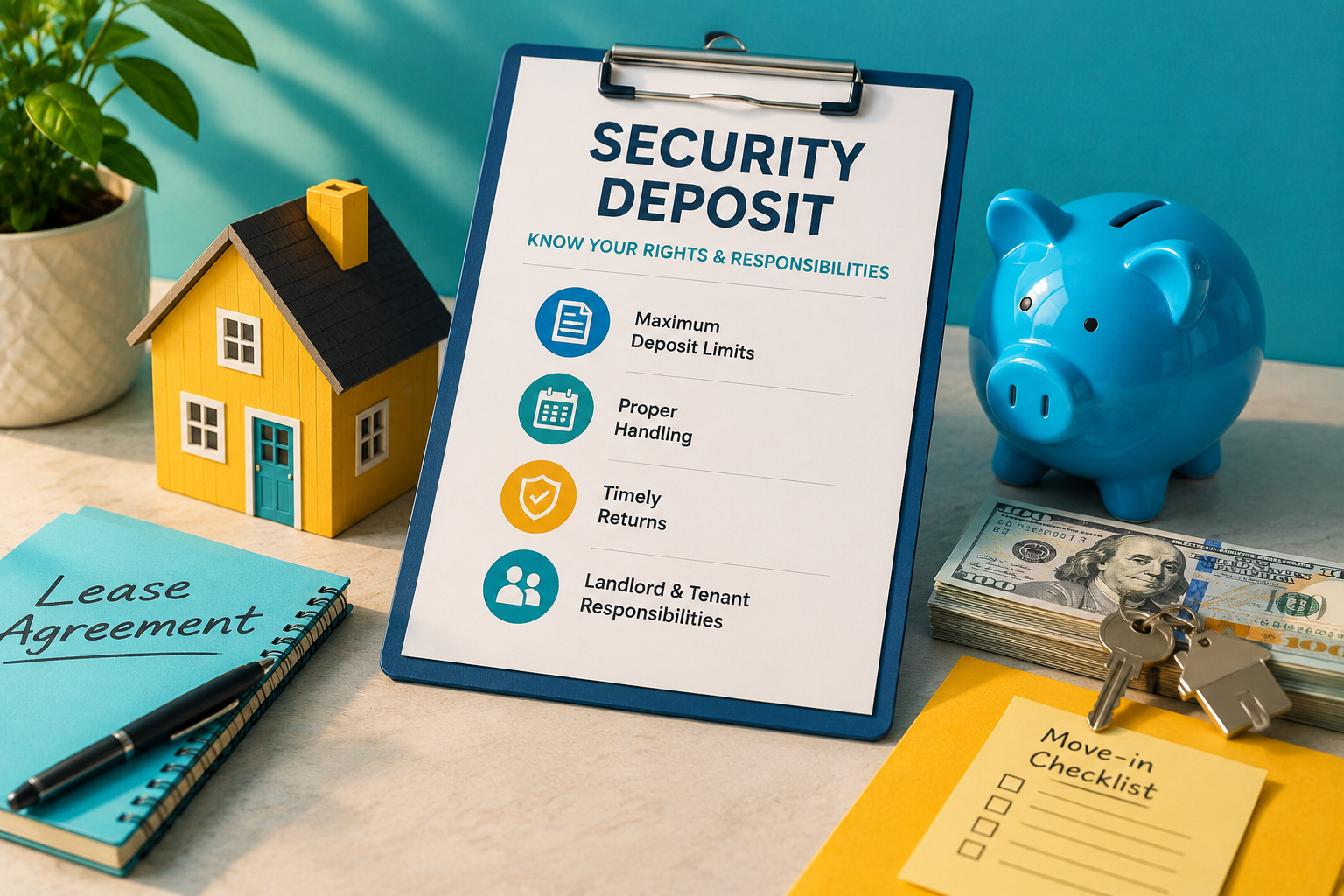
Every landlord has a legal obligation to provide tenants with housing that meets certain basic health and safety standards, a legal concept generally known as the implied warranty of habitability. While the specific requirements vary considerably from state to state, this fundamental obligation exists in some form throughout the United States, and understanding what habitability laws generally require helps both landlords and tenants understand their respective rights and responsibilities. This guide explains what habitability laws typically cover, what remedies are available if a landlord fails to meet these obligations, and how landlords can avoid habitability related disputes altogether.
What Is the Implied Warranty of Habitability?
The implied warranty of habitability is a legal doctrine, recognized in some form by nearly every state, that automatically requires landlords to maintain rental property in a condition that is safe and fit for human habitation, regardless of whether this specific obligation is written explicitly into the lease agreement.
Because this warranty is implied by law rather than requiring specific lease language, tenants generally cannot waive their right to habitable housing even if a lease attempts to include language stating otherwise, since courts typically view these baseline protections as a matter of public policy rather than something negotiable between the parties.
What Basic Conditions Must Landlords Typically Provide?
While specific requirements vary by state, habitability laws generally require landlords to provide functioning plumbing, adequate heating, safe electrical systems, structurally sound floors and walls, working locks on doors and windows, and freedom from serious pest infestations or hazardous mold conditions.
Many states also require landlords to provide adequate weatherproofing, hot and cold running water, properly functioning smoke detectors, and safe common areas in multifamily buildings, though the precise list of required conditions differs depending on your specific state's landlord tenant statutes.
Who Is Responsible for Ongoing Maintenance and Repairs?
Landlords are generally responsible for maintaining the structural and essential systems of a rental property, including plumbing, heating, and electrical systems, throughout the entire tenancy, while tenants are typically responsible for keeping the unit reasonably clean and reporting any needed repairs promptly.
This division of responsibility means landlords cannot simply shift responsibility for essential repairs onto tenants through lease language, since maintaining these basic habitability standards is generally considered a nondelegable landlord obligation under most state laws regardless of what the lease itself states.
What Should Tenants Do When They Discover a Habitability Issue?
Tenants who discover a habitability issue, such as a broken heating system or a significant plumbing problem, should generally notify their landlord promptly and in writing, keeping a copy of the notice and documenting the date it was sent, since this written notice typically starts the clock on the landlord's legal obligation to respond.
Providing clear written notice, ideally including photographs of the issue, creates an important paper trail that can become essential evidence if the landlord fails to make timely repairs and the tenant needs to pursue any of the legal remedies available under their state's habitability laws.
How Much Time Does a Landlord Typically Have to Make Repairs?
Most states specify a reasonable time period, often ranging from a few days for serious health and safety issues to a few weeks for less urgent repairs, within which a landlord must address a reported habitability issue after receiving proper written notice from the tenant.
What counts as a reasonable time period can depend on the severity of the issue, with urgent problems like a complete lack of heat during winter or a major water leak generally requiring a much faster response than a more minor issue that does not immediately threaten health or safety.
What Remedies Are Available if a Landlord Fails to Make Necessary Repairs?
If a landlord fails to address a legitimate habitability issue within a reasonable time after proper notice, many states allow tenants to pursue remedies such as withholding rent, making the repair themselves and deducting the cost from rent, or in serious cases, breaking the lease entirely without penalty.
The specific remedies available, and the exact procedures tenants must follow to legally exercise them, vary significantly by state, meaning tenants considering withholding rent or repairing and deducting costs should carefully research their specific state's requirements before taking action, since improper use of these remedies can create legal risk.
Can Tenants Legally Withhold Rent Over Habitability Issues?
Some states explicitly allow tenants to withhold rent when a landlord fails to maintain habitable conditions after proper notice, though this remedy typically comes with strict procedural requirements, such as depositing withheld rent into a court supervised escrow account rather than simply keeping the money.
Tenants should be particularly cautious about withholding rent without following their state's exact legal procedure, since doing so incorrectly can expose the tenant to their own risk of eviction for nonpayment, effectively turning a habitability dispute into the very legal problem the tenant was trying to avoid.
What Is Repair and Deduct and How Does It Work?
Repair and deduct is a remedy available in many states that allows a tenant to hire someone to fix a habitability issue themselves after the landlord fails to do so within a reasonable time, then deduct the reasonable cost of that repair from their next rent payment.
States that allow this remedy typically place limits on how much can be deducted, often capping it at a certain amount or percentage of monthly rent, and generally require tenants to obtain reasonable repair estimates and keep receipts to document the actual cost of the repair performed.
Can a Tenant Break Their Lease Due to Serious Habitability Violations?
In cases of particularly serious habitability violations that a landlord fails to correct, many states allow tenants to terminate their lease early without penalty under a legal concept sometimes called constructive eviction, meaning the uninhabitable conditions effectively force the tenant out of the property.
Successfully claiming constructive eviction generally requires the tenant to have provided proper notice, waited a reasonable time for repairs, and then actually vacated the property, since continuing to live in the unit after claiming it is uninhabitable can undermine this specific legal argument in court.
How Do Local Housing Codes Interact With State Habitability Laws?
In addition to state level habitability laws, many cities and counties maintain their own local housing codes that establish specific, detailed standards for matters such as minimum room sizes, required smoke detector placement, and specific heating requirements during particular months of the year.
Landlords should be familiar with both their state's general habitability law and any more specific local housing codes that apply to their particular property, since local codes can sometimes impose additional or more detailed requirements beyond the baseline established under state law.
Can Tenants Report Habitability Violations to a Government Agency?
Tenants who believe their landlord is not maintaining habitable conditions can generally file a complaint with their local housing authority or code enforcement agency, which can inspect the property and issue citations or orders requiring the landlord to make necessary repairs within a specified time frame.
This government enforcement path can be particularly useful for tenants who prefer not to pursue remedies like rent withholding directly, since it shifts the responsibility for documenting and enforcing the violation onto a government agency rather than requiring the tenant to navigate the process entirely on their own.
What Protections Exist Against Retaliation for Reporting Habitability Issues?
Most states provide legal protection against retaliation, meaning a landlord generally cannot legally raise rent, reduce services, or attempt to evict a tenant specifically because that tenant reported a habitability violation or exercised another legally protected right related to the condition of the property.
These retaliation protections typically apply for a specific period of time after a tenant takes a protected action, and landlords should be especially careful about the timing of any rent increase or eviction notice that follows shortly after a tenant reports a legitimate maintenance or habitability concern.
How Can Landlords Proactively Avoid Habitability Disputes?
Conducting regular property inspections, promptly addressing maintenance requests, and maintaining detailed records of all repairs and communications with tenants are among the most effective ways landlords can avoid habitability disputes before they escalate into a formal legal issue or complaint.
Establishing a clear and easy process for tenants to report maintenance issues, along with setting internal response time goals for addressing different categories of repair requests, helps landlords stay ahead of potential habitability problems rather than reacting only after a tenant has already taken formal legal action.
Do Habitability Laws Apply Differently to Furnished Versus Unfurnished Units?
Habitability laws generally apply to the structural and essential systems of a rental unit regardless of whether it is furnished or unfurnished, meaning the baseline obligations regarding plumbing, heating, electrical systems, and structural safety remain the same regardless of what furniture or appliances are included with the rental.
Landlords who provide furniture or appliances as part of a furnished rental may take on additional responsibility for maintaining those specific items in usable condition, depending on how the lease agreement describes these included items and what state law says about landlord provided furnishings.
How Should Landlords Document Repairs to Protect Themselves Legally?
Keeping detailed written records of every maintenance request received, including the date reported and the date resolved, along with photographs and receipts for completed repairs, provides landlords with essential documentation if a habitability dispute ever escalates to a formal legal complaint or lawsuit.
This thorough documentation habit not only protects landlords legally but also helps identify recurring maintenance issues at a property, allowing for more proactive long term planning around major repairs or system replacements before they become urgent habitability emergencies.
How Do Habitability Laws Address Extreme Temperatures?
Many states and local jurisdictions establish specific minimum temperature requirements that landlords must maintain during colder months, often requiring functioning heating systems capable of reaching a specified minimum indoor temperature regardless of outdoor conditions, particularly in multifamily buildings where the landlord controls the heating system.
Some jurisdictions have also begun addressing extreme heat conditions, particularly in regions prone to dangerously high summer temperatures, requiring landlords to provide functioning cooling systems or take other steps to protect tenants from unsafe indoor heat conditions during extreme weather events.
How Do Pest Infestations Factor Into Habitability Requirements?
Serious pest infestations, such as widespread rodent or insect problems, are generally considered a habitability violation under most state laws, particularly when the infestation poses a genuine health risk or significantly interferes with the tenant's ability to safely use and enjoy the rental unit.
Landlords are typically responsible for addressing pest infestations that affect the building's structure or common areas, while responsibility for infestations caused by a specific tenant's own housekeeping practices may sometimes shift toward the tenant, depending on the specific circumstances and applicable state law.
What Role Does Mold Play in Habitability Disputes?
Significant mold growth resulting from structural issues such as leaks or poor ventilation is generally considered a serious habitability concern, since certain types of mold exposure can pose meaningful health risks, particularly for tenants with respiratory conditions or other relevant health sensitivities.
Landlords who receive reports of mold growth should investigate and address the underlying moisture source promptly, since simply covering or superficially cleaning visible mold without correcting the root cause often allows the problem to recur and can further strengthen a tenant's habitability claim.
How Do Habitability Laws Apply to Common Areas in Multifamily Buildings?
In addition to individual rental units, habitability laws generally extend to shared common areas in multifamily buildings, such as hallways, stairwells, laundry rooms, and shared entryways, requiring landlords to maintain these areas in a reasonably safe and functional condition for all residents.
Neglecting common area maintenance, such as broken stairwell lighting or malfunctioning security entry systems, can create habitability concerns that affect multiple tenants simultaneously, making prompt attention to common area issues an important part of a landlord's overall habitability obligations.
Can Habitability Violations Affect a Landlord's Ability to Collect Rent?
In many states, serious uncorrected habitability violations can provide tenants with a legal defense against nonpayment of rent claims, meaning a landlord attempting to evict a tenant for nonpayment may find their case complicated or defeated if the tenant can demonstrate the unit was not properly maintained.
This connection between habitability and rent obligations underscores why promptly addressing legitimate maintenance requests is not just a matter of tenant satisfaction, but also directly protects a landlord's own ability to enforce lease terms and collect rent through the legal system if a dispute arises.
How Should Landlords Handle Habitability Requests From Multiple Tenants in the Same Building?
When several tenants in the same multifamily building report similar habitability concerns, such as heating problems affecting an entire wing or a pest infestation spreading between units, landlords should treat these reports as a potential building wide issue rather than addressing each unit in isolation.
Coordinating a building wide inspection and repair plan when multiple tenants report related issues can resolve the underlying problem more efficiently and demonstrates good faith effort, which can be an important factor if any of the affected tenants eventually pursue a formal habitability complaint or legal action.
Frequently Asked Questions About Habitability Laws
Below are answers to some of the most common questions people have about landlord habitability obligations.
Can a landlord require a tenant to waive their right to habitable housing in the lease?
No, the implied warranty of habitability generally cannot be waived through lease language, since courts typically consider these baseline protections a matter of public policy that exists regardless of what the lease agreement itself states about maintenance responsibilities.
What should a tenant do if a landlord ignores repeated repair requests?
If a landlord ignores repeated written repair requests, tenants can generally escalate the issue by contacting local code enforcement, pursuing remedies such as repair and deduct where legally available, or consulting a tenant rights organization or attorney about further available options and next steps.
Do habitability laws apply to single family home rentals as well as apartments?
Yes, habitability laws generally apply to all types of residential rental property, including single family homes, apartments, and other rental units, meaning landlords cannot avoid these baseline obligations simply based on the type of property being rented or its specific size.
Can a tenant be evicted while a habitability complaint is pending?
Most states provide retaliation protections that prevent a landlord from evicting a tenant specifically because they filed a legitimate habitability complaint, though a landlord may still pursue an eviction for other legally valid and unrelated reasons even while a complaint remains actively pending before a housing authority.
Can a landlord charge a tenant for repairs related to normal wear and tear?
No, landlords are generally responsible for repairs related to normal wear and tear as part of their ongoing habitability obligations, and charging tenants for these routine repairs, particularly by deducting costs from a security deposit, is typically not permitted under most state landlord tenant laws.
Understanding habitability laws helps both landlords and tenants navigate their respective rights and responsibilities more confidently, and landlords who proactively maintain their properties and respond promptly to maintenance requests can avoid the vast majority of habitability disputes before they ever escalate into a formal legal issue or costly lawsuit down the road.