Building credit from scratch can feel like a frustrating chicken and egg problem, since many lenders want to see an existing credit history before approving you for the very products that would help you establish that history in the first place. Whether you are a young adult just starting out, a recent immigrant with no credit history in your new country, or someone rebuilding after a period without credit accounts, understanding exactly how credit scores work and which tools are available to first time borrowers can dramatically speed up the process. This guide walks through every practical step for building strong credit from zero, including which accounts to open first, how to use them responsibly, and how to avoid the common pitfalls that trip up so many beginners.
Why Does Having No Credit History Make It Hard to Get Approved?
Lenders rely heavily on your credit history to predict how likely you are to repay a new loan or credit card responsibly. Without any history of past borrowing and repayment, a lender has essentially no data to evaluate, which makes you appear riskier than someone with even a modest but positive track record, regardless of how financially responsible you actually are in other areas of your life.
This is why so many people describe building credit from scratch as a catch twenty two, since you often need credit to get credit. Fortunately, several financial products are specifically designed for people in this exact situation, and understanding how to use them strategically can help you break through this barrier within a matter of months rather than years.
What Exactly Is a Credit Score and How Is It Calculated?
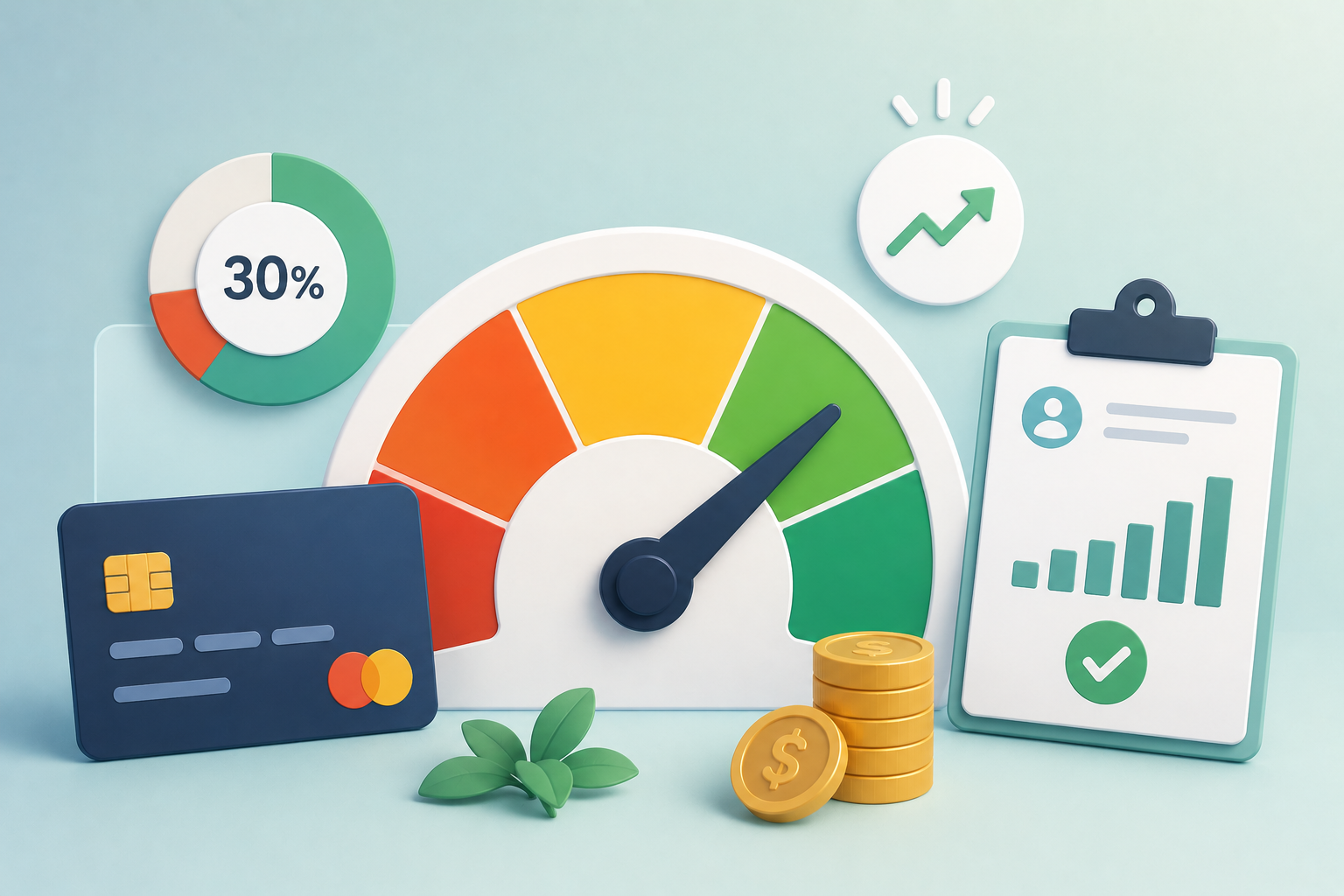
A credit score is a three digit number, typically ranging from 300 to 850 under the most widely used scoring models, that summarizes how risky you appear as a borrower based on the information in your credit report. The most common scoring model weighs payment history most heavily, followed by the amounts you owe relative to your available credit, the length of your credit history, the mix of credit types you use, and how often you apply for new credit.
Because length of credit history is one of the weighted factors, someone with no credit history at all will not have a usable score until enough information accumulates in their file, which typically takes at least a few months of active account activity. This is why opening your first credit building account as early as possible is so important, even if you do not plan to use it heavily right away.
What Is a Secured Credit Card and How Does It Help Beginners?
A secured credit card requires you to put down a cash deposit, often a few hundred dollars, which typically becomes your credit limit and serves as collateral in case you fail to pay your bill. Because the issuer's risk is minimized by this deposit, secured cards are usually available to people with no credit history at all, making them one of the most accessible starting points for building credit from scratch.
Used responsibly, a secured card reports your payment activity to the major credit bureaus just like a regular unsecured card, allowing you to build a positive payment history over time. Many issuers will review your account after six to twelve months of on time payments and offer to convert it into a regular unsecured card, refunding your original deposit once the conversion takes place.
Can Becoming an Authorized User Help You Build Credit Faster?
Becoming an authorized user on a family member's credit card account, such as a parent's or spouse's card that already has a long, positive payment history, can sometimes help you inherit some of that account's history onto your own credit report. This strategy works because many credit card issuers report authorized user activity to the credit bureaus, effectively giving you a head start.
This approach depends entirely on the primary cardholder's responsible use of the account, since any late payments or high balances on their part will also appear on your report as an authorized user. It is important to only become an authorized user on an account belonging to someone with a genuinely strong and consistent payment history, and to confirm with the issuer that authorized user activity is actually reported to the credit bureaus before relying on this strategy.
What Are Credit Builder Loans and How Do They Work?
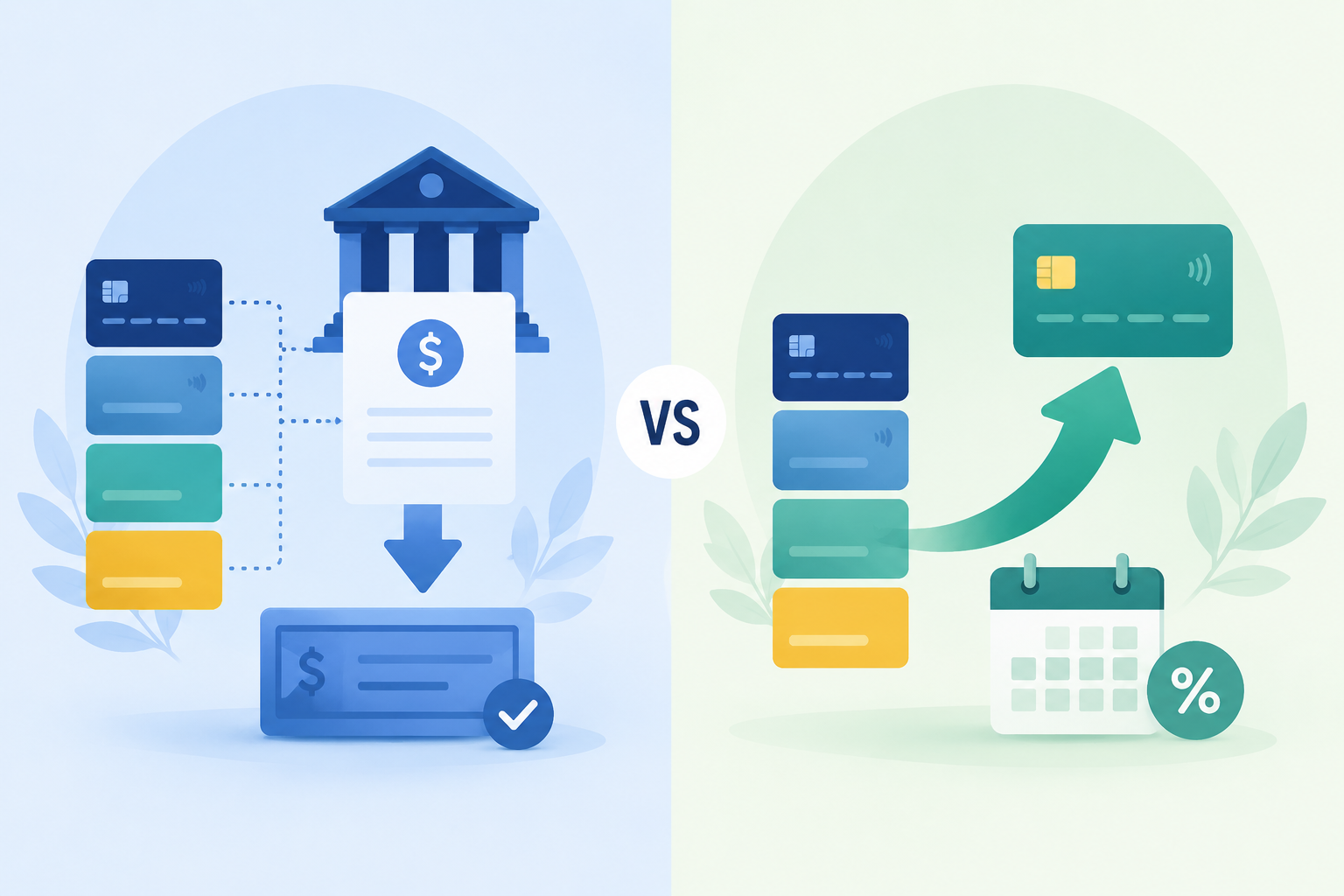
A credit builder loan is a small loan, often offered by credit unions and community banks, where the loan amount is held in a locked savings account rather than given to you upfront. You make fixed monthly payments over a set term, and once the loan is fully repaid, you receive access to the full amount, minus any interest and fees charged by the lender.
Because your on time payments are reported to the credit bureaus throughout the loan term, a credit builder loan allows you to establish a positive payment history while simultaneously forcing yourself to save money, making it a popular option for people who want to build credit and develop a savings habit at the same time.
Should You Apply for a Student Credit Card If You Are Still in School?
Student credit cards are specifically designed for college students with little or no credit history, often featuring lower credit limits and more lenient approval requirements than standard unsecured cards, along with rewards or benefits tailored to student spending habits like dining out or streaming subscriptions.
If you are enrolled in school and have some verifiable income, even from a part time job, a student credit card can be an excellent first step toward building credit, since it typically does not require the upfront security deposit that a secured card demands, while still reporting your payment activity to help you establish a credit history before you graduate and enter the workforce full time.
How Many Credit Accounts Should a Beginner Open at Once?
When you are just starting out, it is generally best to open only one credit account at a time rather than applying for several products simultaneously. Each application typically triggers what is known as a hard inquiry on your credit report, and having too many hard inquiries in a short period can temporarily lower your score and signal potential risk to future lenders.
A better approach is to open a single secured card or student card, use it consistently and responsibly for several months, and then consider adding a second account, such as a credit builder loan, once your first account is well established. This gradual, methodical approach helps you build a diverse and positive credit profile without triggering unnecessary red flags along the way.
How Should You Use Your First Credit Card to Build Credit Effectively?
The single most important habit for building credit is paying your bill in full and on time every single month, since payment history is the most heavily weighted factor in most credit scoring models. Setting up automatic payments for at least the minimum amount due can help ensure you never accidentally miss a payment deadline, which could otherwise set back your progress significantly.
It is also important to keep your credit utilization, meaning the percentage of your available credit limit that you are actually using, relatively low, ideally below thirty percent and preferably even lower. Using your card for small, regular purchases like groceries or a recurring subscription and paying the balance in full each month is an effective way to demonstrate responsible use without carrying an expensive balance.
How Long Does It Take to Build a Good Credit Score From Nothing?
Most people who follow responsible credit building habits can expect to see a usable credit score within about three to six months of opening their first account, though it typically takes closer to a year of consistent, positive activity to reach a genuinely good score. Building an excellent score often takes several years of sustained responsible use across multiple account types.
Patience is essential during this process, since there is no legitimate shortcut to rapidly building an excellent credit score. Consistent, on time payments combined with low credit utilization over an extended period will always be more effective than any quick fix scheme, many of which are outright scams targeting people eager to improve their credit quickly.
What Mistakes Should Beginners Avoid When Building Credit?
One of the most damaging mistakes beginners make is missing payments, even by just a few days, since a payment reported thirty days or more late can significantly hurt your score and remain on your credit report for years. Setting up payment reminders or automatic payments is one of the simplest ways to avoid this costly mistake entirely.
Another common mistake is closing your very first credit card too soon after opening a newer, more attractive card. Since the length of your credit history matters for your score, keeping your oldest account open and active, even if you rarely use it, generally helps rather than hurts your credit profile over the long run.
How Often Should You Check Your Credit Report While Building Credit?
Checking your own credit report regularly, sometimes called a soft inquiry, does not affect your credit score and is an important habit for anyone building credit, since it allows you to catch errors, track your progress, and confirm that your positive payment history is actually being reported accurately by your card issuer or lender.
You are entitled to a free copy of your credit report from each of the three major credit bureaus on a regular basis, and reviewing these reports periodically can help you spot identity theft early, dispute any inaccurate information promptly, and better understand exactly how your credit building efforts are translating into an improving score over time.
Can Paying Rent and Utility Bills Help Build Credit?
Traditionally, rent and utility payments were not reported to the credit bureaus, meaning years of on time payments provided no direct benefit to your credit score. Fortunately, several newer services now allow renters to have their monthly rent payments reported to one or more credit bureaus, sometimes for a small fee, giving people without traditional credit accounts another avenue for building history.
Some banks and credit monitoring services also offer programs that report utility and phone bill payments, which can provide an additional, relatively passive way to add positive payment history to your credit file, particularly useful for people who prefer not to open a new credit card or loan right away while they get comfortable with the basics of responsible credit use.
How Does Your Credit Mix Affect Your Score as You Build History?
Credit scoring models generally reward borrowers who successfully manage a mix of different account types, such as revolving credit like credit cards alongside installment credit like a car loan or credit builder loan. This diversity signals to lenders that you can handle different repayment structures responsibly.
That said, credit mix is a relatively minor factor compared to payment history and credit utilization, so beginners should not feel pressured to open multiple different account types all at once just to improve their mix. Focusing first on establishing one or two accounts with a strong track record of on time payments will do far more for your score than chasing a perfect mix too early in your credit building journey.
Should You Use a Credit Monitoring App While Building Your Credit?
Many free credit monitoring apps and bank provided tools let you track your credit score and see a simplified breakdown of the factors influencing it, often updated monthly. These tools can be genuinely useful for beginners who want to see how specific actions, like paying down a balance or opening a new account, actually affect their score over time.
While these apps are helpful for tracking general trends, keep in mind that the score they display may come from a slightly different scoring model than the one an actual lender uses when you apply for credit, so treat the number as a helpful estimate rather than an exact prediction of how a specific lender will view your application.
What Should You Do If Your First Credit Application Gets Denied?
A denial is not the end of the road, and lenders are legally required to provide you with a specific reason for the denial, which can offer valuable insight into what you need to improve before applying again. Common reasons for denial when building credit from scratch include insufficient income, too many recent applications, or simply not enough credit history yet for the lender to evaluate.
Rather than immediately applying to another lender after a denial, take time to address the specific reason given, whether that means waiting a few months to establish more history, paying down existing balances, or considering a more accessible starting product like a secured card instead of a standard unsecured card that may have stricter approval requirements.
How Does Building Credit From Scratch Differ for Recent Immigrants?
Recent immigrants often face a unique challenge because any credit history built in another country typically does not transfer to a new country's credit reporting system, meaning even someone with an excellent credit history abroad may need to start completely from zero. Some newer financial products are specifically designed to help ease this transition by considering alternative data.
Certain banks and fintech companies now offer credit building products specifically marketed toward newcomers, sometimes using alternative underwriting criteria such as employment verification or existing bank account history in place of a traditional credit check, which can make the first step into the local credit system considerably easier than relying on traditional secured cards alone.
Frequently Asked Questions About Building Credit From Scratch
Here are answers to some of the most common questions people have when they are just starting to build their credit history.
Can I build credit without a Social Security number?
Many lenders accept an Individual Taxpayer Identification Number in place of a Social Security number for certain secured cards and credit builder products, so it is possible to begin building credit even without a standard Social Security number, though your options may be more limited.
Will checking my own credit score hurt it?
No, checking your own credit score or report is considered a soft inquiry and has no negative impact on your score whatsoever, regardless of how frequently you check it.
Is it better to have one credit card or several while building credit?
For beginners, having one or two well managed accounts is generally better than several accounts that are harder to track, since consistent on time payments matter far more than the total number of accounts you hold.
Do I need to carry a balance on my credit card to build credit?
No, carrying a balance provides no credit building benefit and only costs you money in interest charges. Paying your statement balance in full each month builds credit just as effectively while saving you from unnecessary interest costs.
Ultimately, building credit from scratch is a gradual process that rewards patience, consistency, and responsible financial habits far more than any clever trick or shortcut, and by starting with the right entry level products and following the fundamentals outlined in this guide, you can establish a strong credit foundation that will benefit you for the rest of your financial life.