An emergency fund is one of the single most important building blocks of a healthy personal finance plan, yet it remains one of the most commonly skipped or underfunded steps people take on their financial journey. Without a dedicated cash reserve set aside for unexpected expenses, even a single unplanned car repair, medical bill, or period of job loss can force you back into credit card debt, undoing months or years of financial progress. This complete guide explains exactly what an emergency fund is, how much you actually need, where to keep it, and how to build one from zero even if you are currently living paycheck to paycheck.
What Exactly Is an Emergency Fund and Why Does It Matter?
An emergency fund is a dedicated pool of cash, kept separate from your regular checking account, specifically reserved for genuine financial emergencies such as a job loss, unexpected medical expense, urgent car or home repair, or other significant unplanned cost. Its purpose is to provide a financial buffer that prevents you from relying on high interest credit cards or loans when something unexpected happens.
Having this buffer in place provides more than just practical financial protection, it also delivers significant peace of mind, since knowing you have a cushion to absorb life's inevitable surprises can reduce financial stress considerably and allow you to make better, less panicked decisions during genuinely difficult moments.
How Much Money Should You Actually Keep in an Emergency Fund?
Most financial experts recommend keeping between three and six months worth of essential living expenses in your emergency fund, covering costs like housing, utilities, groceries, insurance, minimum debt payments, and transportation. The exact target within this range depends on your personal circumstances and risk factors.
People with more stable income, such as those with strong job security or multiple income sources in their household, may feel comfortable at the lower end of this range, while people with less predictable income, such as freelancers, commission based workers, or single income households, are often better served by targeting six months or even more of essential expenses.
Where Should You Actually Keep Your Emergency Fund Money?
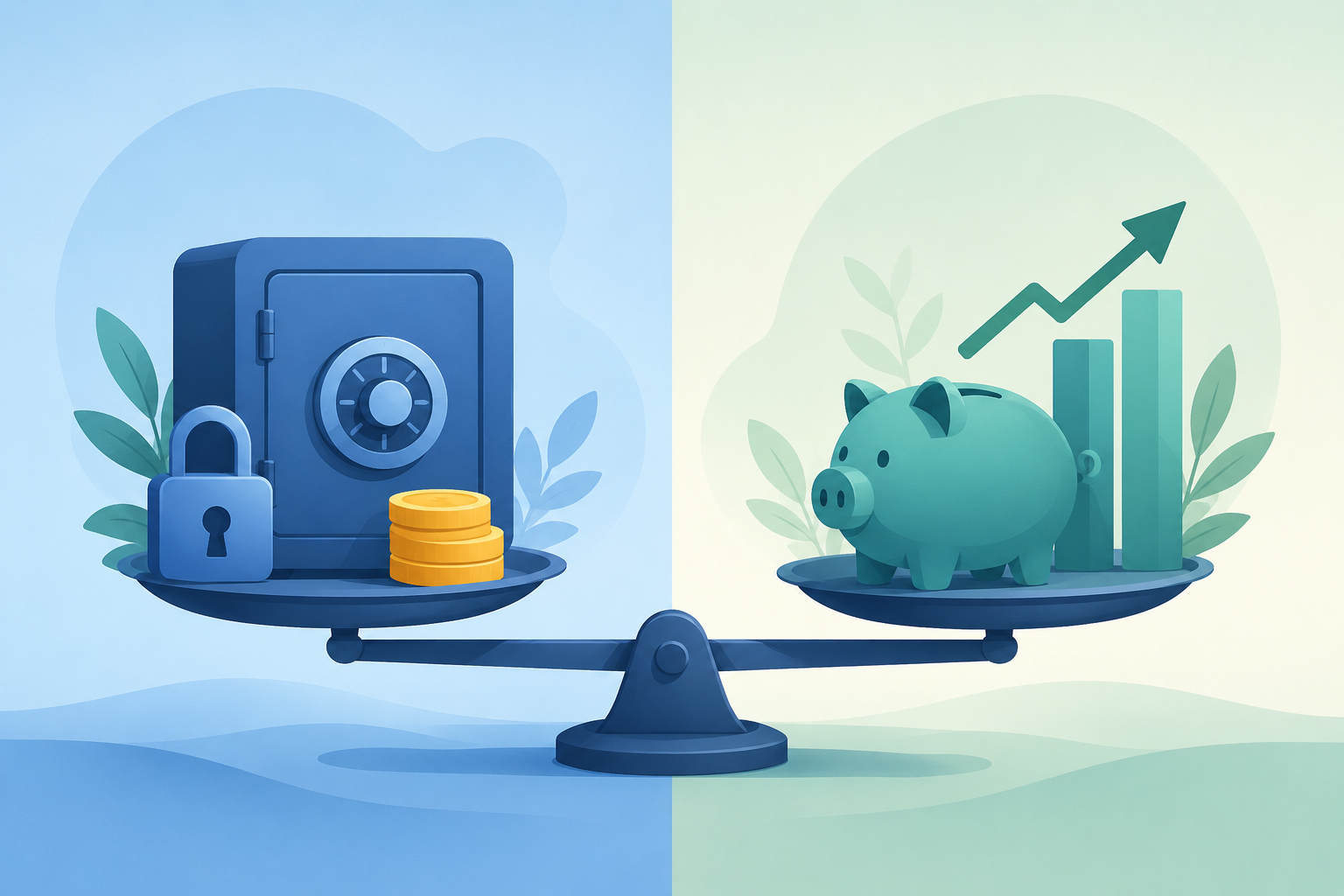
Your emergency fund should be kept somewhere safe, liquid, and easily accessible, meaning you can withdraw the money quickly without penalty when a genuine emergency arises. A high yield savings account is generally considered the ideal location, since it offers meaningfully better interest than a traditional checking or savings account while still allowing quick, penalty free withdrawals.
It is important to avoid keeping your emergency fund in investments like stocks or mutual funds, since the value of these investments can drop significantly at exactly the moment you might need to access the money, such as during an economic downturn that also results in job losses. The priority for this money is safety and accessibility, not growth.
Should You Build Your Emergency Fund Before or While Paying Off Debt?
Most financial experts recommend building at least a small starter emergency fund, often around one thousand dollars, before aggressively paying down other debt, since this modest cushion prevents minor unexpected expenses from forcing you back into credit card debt while you are working on your payoff plan.
Once you have this starter fund in place, many people choose to focus intensely on paying off high interest debt before returning to build their full three to six month emergency fund. This approach balances the need for some immediate protection against unexpected costs with the mathematical benefit of eliminating expensive debt as quickly as possible.
How Do You Start Building an Emergency Fund From Zero?
Starting an emergency fund from nothing can feel overwhelming, but breaking the goal into smaller, manageable milestones makes the process far more achievable. Begin by setting a modest first target, such as five hundred or one thousand dollars, rather than focusing immediately on the full three to six month goal, which can feel discouragingly distant at the outset.
Automating a small, consistent transfer from your checking account to your dedicated emergency savings account each time you get paid removes the temptation to skip contributions and helps the fund grow steadily and predictably over time, even if the individual contributions feel small at first.
What Counts as a True Financial Emergency Versus a Regular Expense?
A genuine financial emergency is typically unexpected, necessary, and urgent, such as a medical bill, essential car repair needed to get to work, unplanned home repair like a broken water heater, or a period of income loss. These situations generally cannot be postponed and were not part of your regular monthly budget.
Expenses that are predictable, even if irregular, such as annual insurance premiums, holiday gifts, or routine car maintenance, are not true emergencies and should instead be planned for through separate dedicated savings categories or sinking funds within your regular budget, preserving your emergency fund exclusively for genuinely unplanned situations.
How Quickly Can You Access Your Emergency Fund When You Need It?
Because emergencies often require immediate access to cash, choosing an account that allows same day or next day transfers is important when selecting where to keep your emergency fund. Many online high yield savings accounts offer electronic transfers that typically complete within one to three business days.
Some people choose to keep a small portion of their emergency fund, perhaps a few hundred dollars, in a more immediately accessible account or even in cash, specifically to cover situations requiring truly instant access, while keeping the bulk of the fund in a higher yielding account that still offers reasonably quick access when needed.
Should You Replenish Your Emergency Fund Immediately After Using It?
After using any portion of your emergency fund for a genuine emergency, replenishing it should become a top financial priority, since your safety net is now smaller and you remain vulnerable to a second unexpected expense occurring before you have fully rebuilt your reserve.
Many people find it helpful to temporarily redirect money from other financial goals, such as extra debt payments or discretionary spending, back toward emergency fund replenishment until the account returns to its target level, treating the rebuilding process with the same urgency as the original savings goal.
How Does Your Emergency Fund Target Change Over Different Life Stages?
Your ideal emergency fund size is not a fixed number that stays the same forever, and it should be reevaluated periodically as your life circumstances change, such as getting married, having children, buying a home, or changing careers, all of which can meaningfully affect your essential monthly expenses and your income stability.
For example, someone who recently became a homeowner may want to increase their emergency fund target to account for the possibility of major home repairs, while someone who recently paid off significant debt or reduced their monthly expenses may find their existing fund now covers a larger number of months than before, even without adding new contributions.
Can You Have Too Much Money in Your Emergency Fund?
While having a fully funded emergency fund is important, keeping significantly more than six to twelve months of expenses in a low yielding savings account means missing out on potentially higher returns available through other investment vehicles, since even high yield savings accounts generally offer lower long term growth than the stock market.
Once your emergency fund reaches a comfortable, fully funded level based on your specific circumstances, redirecting additional savings toward retirement accounts, investment portfolios, or other financial goals is generally a better use of your money than continuing to grow an already adequate emergency reserve indefinitely.
What Role Does Insurance Play Alongside Your Emergency Fund?
Adequate insurance coverage, including health insurance, auto insurance, homeowners or renters insurance, and disability insurance, works alongside your emergency fund to protect you from catastrophic financial losses that could otherwise far exceed even a well funded emergency reserve, such as a major medical event or total loss of your home.
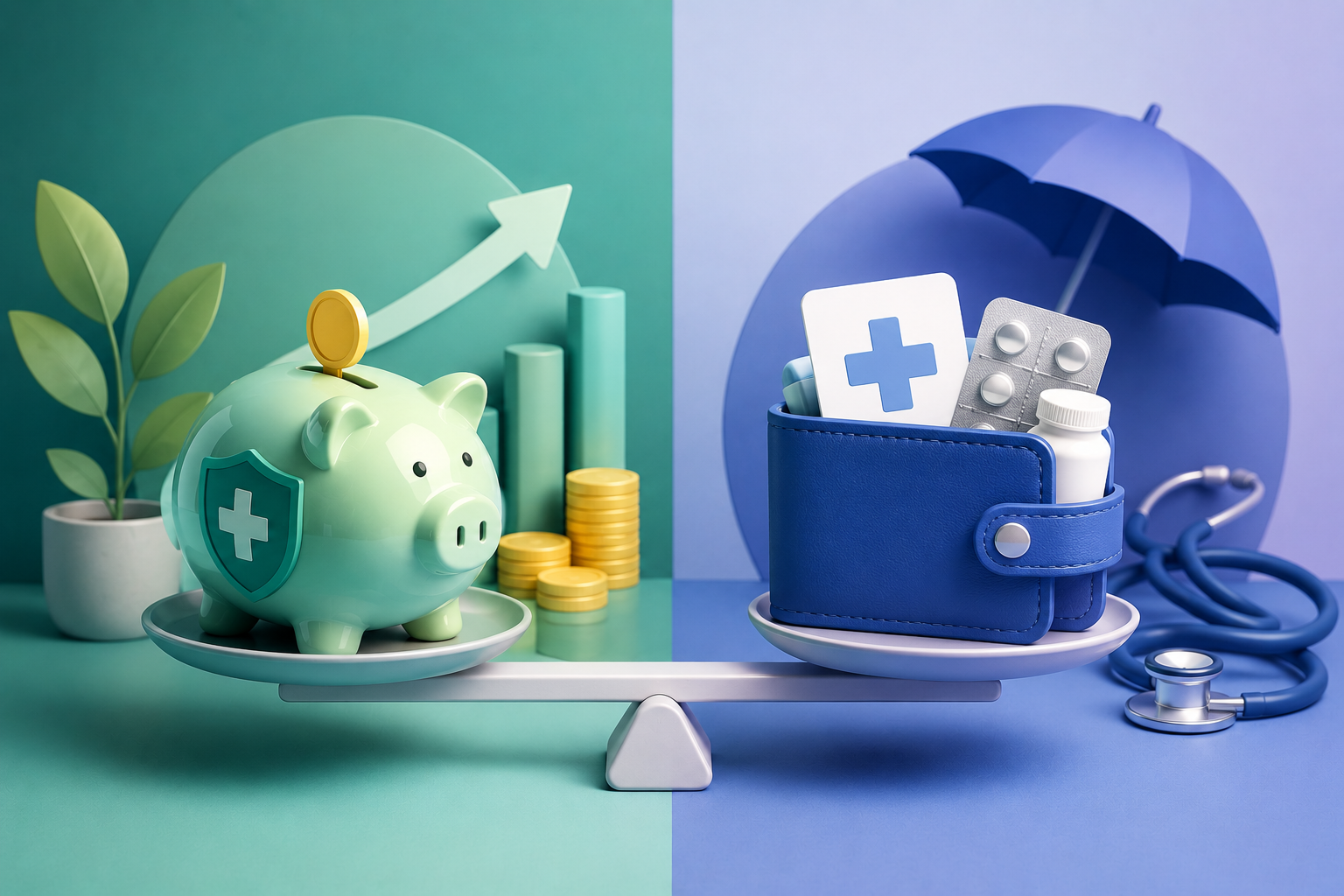
Your emergency fund is best suited for moderate, immediate expenses and short term income gaps, while insurance is designed to handle larger scale, catastrophic risks. Together, these two tools provide comprehensive financial protection that neither one could offer as effectively on its own.
How Do Freelancers and Gig Workers Approach Emergency Fund Planning Differently?
Freelancers, gig workers, and others with variable or unpredictable income often benefit from targeting a larger emergency fund, sometimes six to twelve months of expenses, given the greater uncertainty around when their next paycheck will arrive and the general absence of employer provided benefits like paid sick leave or unemployment insurance eligibility.
Many freelancers also find it helpful to maintain a separate short term buffer specifically to smooth out normal month to month income fluctuations, distinct from their true emergency fund, which remains reserved exclusively for genuinely unexpected expenses rather than the routine variability inherent in irregular income work.
What Mistakes Should You Avoid When Building an Emergency Fund?
One common mistake is keeping emergency fund money too accessible, such as mixed directly into your everyday checking account, which can make it tempting to dip into the fund for nonemergency spending. Keeping the money in a clearly separate, dedicated account helps maintain the psychological boundary needed to preserve it for genuine emergencies only.
Another common mistake is setting an unrealistic savings pace that leads to burnout and abandonment of the goal entirely. Starting with a modest, sustainable monthly contribution and gradually increasing it as your budget allows is generally more effective than attempting an aggressive pace that proves impossible to maintain over the following months.
How Should Married Couples or Partners Approach Emergency Fund Planning Together?
Couples who share household expenses generally benefit from maintaining a single joint emergency fund rather than two separate individual funds, since combining resources allows for a larger, more effective safety net and simplifies tracking overall household financial security. Open communication about the target amount and acceptable uses of the fund helps prevent disagreements when an emergency actually arises.
It is worth discussing in advance exactly what qualifies as an emergency in your household, since one partner might consider a certain expense urgent while the other views it as something that could wait or be covered through the regular budget. Establishing these expectations before a crisis occurs helps avoid stressful disagreements during an already difficult moment.
How Does an Emergency Fund Fit Into Your Overall Budget?
Building emergency fund contributions directly into your monthly budget, rather than treating them as an afterthought funded only with leftover money, significantly increases the likelihood that you will reach your savings goal in a reasonable timeframe. Treating the contribution like a fixed monthly bill, similar to rent or a car payment, helps ensure consistency.
Many people find success using a budgeting method that allocates a specific percentage of every paycheck toward emergency savings before any discretionary spending occurs, ensuring the goal receives priority rather than being squeezed out by unplanned purchases or lifestyle inflation as income grows over time.
What Are Some Practical Ways to Accelerate Emergency Fund Growth?
Directing windfalls such as tax refunds, work bonuses, cash gifts, or proceeds from selling unused items directly into your emergency fund can meaningfully accelerate your progress without requiring any changes to your regular monthly budget. These occasional lump sum contributions often add up to a substantial portion of your overall target over time.
Temporarily taking on a side job, selling unused belongings, or cutting discretionary spending categories like dining out or subscription services for a defined period can also help you reach your initial emergency fund target more quickly, particularly during the early stages when the goal can feel most distant and least motivating.
How Should You Track Progress Toward Your Emergency Fund Goal?
Regularly reviewing your emergency fund balance, whether monthly or quarterly, helps maintain motivation and allows you to celebrate progress along the way, particularly when reaching meaningful milestones such as covering one month of expenses, then three months, and eventually your full target amount.
Many budgeting apps and spreadsheets allow you to set a specific savings goal and visually track your progress as a percentage, which can provide helpful ongoing motivation, especially during the middle stretch of the journey when progress can sometimes feel slower than during the initial exciting first few contributions.
Frequently Asked Questions About Emergency Funds
Below are answers to some of the most common questions people have about building and maintaining an emergency fund.
Should I keep my emergency fund and regular savings in the same account?
It is generally better to keep your emergency fund in a separate, dedicated account from your other savings goals, since mixing the funds together can make it harder to track your true emergency reserve and increases the temptation to spend it on nonemergency purchases you had not originally planned for.
Is a credit card a substitute for an emergency fund?
While a credit card can provide temporary access to funds during an emergency, relying on one instead of cash savings means you will likely pay significant interest charges, making an actual cash emergency fund a far more cost effective long term solution.
How long should it take to build a full emergency fund?
Most people take anywhere from one to three years to build a full three to six month emergency fund, depending on their income, expenses, and how aggressively they prioritize the goal alongside other financial commitments.
Can retirement account funds count as part of my emergency fund?
Generally no, since withdrawing from most retirement accounts before a certain age triggers taxes and penalties, making them a poor substitute for a liquid, penalty free emergency fund kept in a standard savings account.
What should I do with my emergency fund if I am about to lose my job?
If you anticipate a layoff or significant income disruption, it is wise to pause other financial goals such as extra debt payments or investing, and instead focus entirely on preserving your existing emergency fund while cutting discretionary expenses to extend how long your reserve can last.
Does inflation affect how much I should keep in my emergency fund?
Yes, as everyday living costs rise over time, the dollar amount needed to cover three to six months of essential expenses also increases, so it is worth reviewing and adjusting your emergency fund target periodically to make sure it still reflects your actual current cost of living and your household's true needs.
Building a solid emergency fund takes time and discipline, but the financial security and peace of mind it provides make it one of the most valuable steps you can take toward long term financial stability, and following the guidance outlined in this article will help you set realistic targets and build your reserve steadily, no matter where you are starting from today. Whether you are just setting aside your first fifty dollars or working toward a full six month cushion, every single contribution moves you meaningfully closer to genuine financial resilience and lasting long term peace of mind for you and your entire household, both today and well into the future.