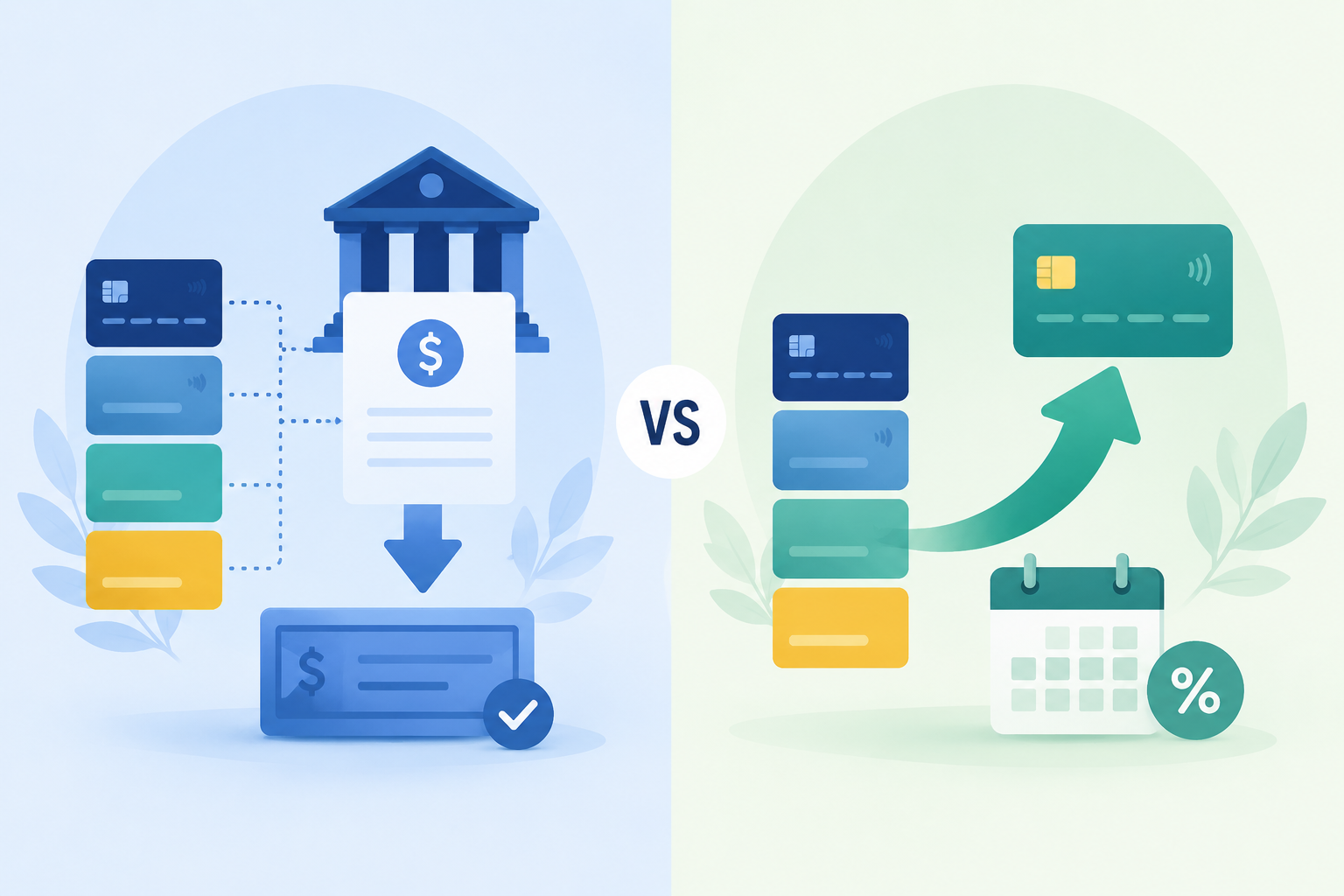
When debt becomes truly unmanageable, bankruptcy can offer a legal path toward a fresh financial start, but choosing between Chapter 7 and Chapter 13 bankruptcy is a major decision with very different processes, timelines, and long term consequences. Chapter 7 generally involves liquidating nonexempt assets to discharge most unsecured debts quickly, while Chapter 13 involves a court supervised repayment plan spread over several years. This guide explains how each type of bankruptcy works, who typically qualifies for each, and the key factors to consider when deciding which option might be right for your situation.
What Is Chapter 7 Bankruptcy and How Does It Work?
Chapter 7 bankruptcy, often called liquidation bankruptcy, involves a court appointed trustee reviewing your assets and selling any nonexempt property to repay creditors, after which most remaining unsecured debts, such as credit card balances and medical bills, are typically discharged entirely, freeing you from further legal obligation to repay them.
The process is generally faster than Chapter 13, often taking only a few months from filing to discharge, and many filers find that most or all of their property qualifies for state or federal exemptions, meaning they do not actually lose significant assets during the process despite the liquidation label.
What Is Chapter 13 Bankruptcy and How Does It Work?
Chapter 13 bankruptcy, sometimes called a wage earner's plan, allows individuals with regular income to propose a repayment plan that reorganizes their debts into structured monthly payments over a period of three to five years, rather than liquidating assets to satisfy creditors immediately.
At the end of the repayment period, assuming all required plan payments have been made, most remaining eligible unsecured debt is discharged, and throughout the process filers are generally able to keep property they might otherwise risk losing under a Chapter 7 filing, such as a home with significant equity.
Who Typically Qualifies for Chapter 7 Bankruptcy?
Eligibility for Chapter 7 bankruptcy is determined largely through a means test, which compares your household income against the median income for a household of your size in your state, and filers whose income falls below the relevant median generally qualify automatically for Chapter 7 relief.
Filers with income above the median may still qualify for Chapter 7 if their disposable income, after accounting for allowed expenses, falls below certain thresholds, though many higher income filers who fail the means test are instead directed toward Chapter 13 as their available bankruptcy option.
Who Typically Chooses or Needs Chapter 13 Bankruptcy?
Chapter 13 is often chosen by filers who do not pass the means test for Chapter 7, as well as by homeowners who are behind on mortgage payments and want to use the repayment plan structure to catch up on missed payments over time while keeping their home rather than losing it to foreclosure.
Chapter 13 can also be a better fit for filers who have significant nonexempt assets they want to protect, since the repayment plan structure allows them to keep property that might otherwise need to be sold under a Chapter 7 liquidation process.
How Long Does Each Bankruptcy Process Typically Take?
Chapter 7 bankruptcy is generally the faster option, with most straightforward cases moving from initial filing to final discharge within about four to six months, making it appealing for filers seeking the quickest possible path toward eliminating unsecured debt and starting fresh.
Chapter 13 bankruptcy, by contrast, involves a repayment plan lasting three to five years, meaning filers remain under court supervision and continue making structured payments for a significantly longer period before receiving a final discharge of their remaining eligible debts.
What Happens to Your Property Under Chapter 7?
Under Chapter 7, a court appointed trustee reviews your assets against state or federal exemption lists, which protect certain property up to specified value limits, such as a primary vehicle, basic household goods, and often a portion of home equity, depending on which state's exemptions apply to your case.
Property that exceeds these exemption limits may be sold by the trustee to repay creditors, though in practice many Chapter 7 filers, particularly those with modest assets, find that all or nearly all of their property qualifies for exemption and is never actually at risk during the process.
What Happens to Your Property Under Chapter 13?
Under Chapter 13, filers generally keep all of their property throughout the bankruptcy process, since the repayment plan is specifically designed to let filers pay creditors over time rather than surrendering assets, making it a particularly attractive option for homeowners with substantial equity they want to protect.
In exchange for keeping their property, Chapter 13 filers commit to a structured monthly payment plan based on their income and expenses, and the value of any nonexempt property factors into how much unsecured creditors must receive over the life of the repayment plan.
How Does Each Bankruptcy Type Affect Your Credit Score?
Both Chapter 7 and Chapter 13 bankruptcy filings appear on your credit report and can significantly lower your credit score, though the exact impact varies depending on your credit profile before filing, with Chapter 7 remaining on your credit report for up to ten years and Chapter 13 for up to seven years.
Despite this significant impact, many filers find that their credit score actually begins improving relatively soon after discharge, since bankruptcy eliminates the burden of severely delinquent accounts that were likely already damaging their score before the filing, and responsible credit use afterward can rebuild their score over time.
Can You Keep Your House During Bankruptcy?
Whether you can keep your house depends heavily on which chapter you file, how much equity you have, and whether you are current on your mortgage payments, with Chapter 13 generally offering more protection for homeowners behind on payments since the repayment plan can include catching up on mortgage arrears over time.
Under Chapter 7, homeowners who are current on their mortgage and whose home equity falls within applicable exemption limits can typically keep their home, though those with significant nonexempt equity or who are behind on payments may find Chapter 13 a safer path toward keeping their property.
Can You Keep Your Car During Bankruptcy?
Most bankruptcy exemptions include protection for at least one vehicle up to a certain value, meaning many filers under either chapter can keep their car, though if you are behind on car payments, Chapter 13 may offer more flexibility to catch up on missed payments through the repayment plan structure.
If your vehicle is worth significantly more than the applicable exemption allows and you are filing Chapter 7, the trustee could potentially sell it to repay creditors, making Chapter 13 sometimes the more practical choice for filers with a valuable vehicle they specifically want to protect.
What Types of Debt Cannot Be Discharged in Either Bankruptcy?
Certain debts are generally not dischargeable under either Chapter 7 or Chapter 13, including most federal and state tax debt, child support and alimony obligations, most student loans absent a separate showing of undue hardship, and debts arising from fraud or certain willful and malicious injury.
Understanding which of your specific debts fall into these nondischargeable categories is important before filing, since bankruptcy may provide significant relief from credit card and medical debt while leaving certain other obligations, such as child support or most tax debt, still fully owed after your case concludes.
How Does the Means Test Actually Work?
The means test compares your average monthly income over the six months prior to filing against your state's median income for a household of your size, and if your income falls at or below that median, you generally qualify for Chapter 7 without further calculation required.
If your income exceeds the median, a more detailed calculation considers your allowed expenses and remaining disposable income, and if that disposable income exceeds certain thresholds, you may be required to file Chapter 13 instead of Chapter 7, since the law presumes you have sufficient income to fund a repayment plan.
What Is Required Before You Can File Either Type of Bankruptcy?
Before filing either Chapter 7 or Chapter 13, federal law generally requires completing credit counseling from an approved agency within the one hundred eighty days before filing, and filers must also complete a debtor education course after filing but before receiving a final discharge.
These required counseling and education courses are designed to help filers understand their financial situation and develop better money management habits going forward, and failing to complete either requirement can delay or even prevent your bankruptcy discharge from being granted.
How Much Does It Cost to File for Bankruptcy?
Filing fees for both Chapter 7 and Chapter 13 bankruptcy are set by federal courts and are generally a few hundred dollars, though Chapter 13 filing fees are typically somewhat higher than Chapter 7 fees, and most filers also pay attorney fees, which can vary considerably depending on the complexity of the case.
Some filers who genuinely cannot afford the Chapter 7 filing fee may qualify for a fee waiver or installment payment arrangement, though Chapter 13 filers generally must pay their filing fee through the repayment plan itself since ongoing income is a basic requirement of that chapter.
What Happens if You Fail to Complete Your Chapter 13 Repayment Plan?
If you are unable to keep up with your required Chapter 13 payments, the case may be dismissed entirely, converted to a Chapter 7 case if you still qualify, or in some situations modified to adjust the payment terms based on a genuine change in your financial circumstances.
Because Chapter 13 requires several years of consistent payments, it is important to realistically assess your ability to sustain the proposed payment plan before filing, since a dismissed case can leave you back where you started, facing the same debts without having received a discharge.
Does Filing for Bankruptcy Stop Creditor Collection Actions?
Filing for either Chapter 7 or Chapter 13 bankruptcy triggers an automatic stay, a powerful legal protection that immediately stops most creditor collection actions, including phone calls, lawsuits, wage garnishments, and in many cases foreclosure or repossession proceedings, at least temporarily while your case proceeds.
While the automatic stay provides immediate relief, certain actions such as some tax proceedings or specific family law matters may not be fully covered, and creditors can sometimes request court permission to proceed with certain actions despite the stay, though this generally requires a specific court order.
How Do You Decide Which Chapter Is Right for Your Situation?
Deciding between Chapter 7 and Chapter 13 generally depends on your income relative to your state's median, whether you have significant assets or home equity you want to protect, whether you are behind on secured debts like a mortgage or car loan, and your overall goals for the bankruptcy process.
Consulting with a qualified bankruptcy attorney before filing is strongly recommended, since an attorney can review your specific income, assets, and debts to help determine which chapter is most likely to achieve your goals while complying with the applicable means test and exemption rules in your state.
How Does Bankruptcy Affect Joint Debts and Cosigners?
If you file for bankruptcy on a debt that has a cosigner, such as a family member who cosigned a car loan or private student loan, the cosigner generally remains fully responsible for repaying that debt even after your own discharge, unless the cosigner also files their own bankruptcy case.
Under Chapter 13, a special provision sometimes allows the codebtor to receive some protection from collection efforts during the life of the repayment plan, though this protection is generally limited to consumer debts and does not apply to Chapter 7 filings in the same way.
What Is the Difference Between Secured and Unsecured Debt in Bankruptcy?
Secured debts, such as a mortgage or auto loan, are backed by collateral that the lender can repossess if payments stop, while unsecured debts, such as credit card balances and most medical bills, have no specific collateral attached and are generally the type of debt most fully eliminated through bankruptcy discharge.
Understanding this distinction matters because bankruptcy primarily targets unsecured debt for discharge, while secured debts typically require either continuing to make payments, surrendering the collateral, or in Chapter 13 cases, catching up on missed payments through the structured repayment plan.
Can Retirement Accounts Be Protected During Bankruptcy?
Most qualified retirement accounts, including employer sponsored plans and many individual retirement accounts, receive strong protection under federal bankruptcy exemptions, meaning filers generally do not need to liquidate their retirement savings to satisfy creditors under either Chapter 7 or Chapter 13.
This protection allows filers to eliminate significant unsecured debt through bankruptcy while still preserving the retirement savings they have built over years of contributions, which can make a substantial difference in long term financial recovery after the bankruptcy process concludes.
How Does Bankruptcy Affect Jointly Owned Property Like a Jointly Titled Home?
When property such as a home is jointly owned with a spouse or another individual who is not filing bankruptcy, only the filing spouse's interest in the property becomes part of the bankruptcy estate, though the practical handling of jointly owned property can become complicated depending on state law.
Consulting an attorney about how jointly owned property will specifically be treated is particularly important in these situations, since the outcome can vary significantly depending on your state's marital property laws and the specific type of asset involved.
Frequently Asked Questions About Chapter 7 and Chapter 13 Bankruptcy
Below are answers to some of the most common questions people have about choosing between Chapter 7 and Chapter 13 bankruptcy.
Can I file for bankruptcy more than once in my lifetime?
Yes, though there are required waiting periods between filings that depend on which chapters were involved in your previous and current cases, generally ranging from two to eight years depending on the specific combination of chapters filed.
Will I lose everything I own if I file Chapter 7 bankruptcy?
No, most Chapter 7 filers keep the vast majority of their property, since state and federal exemption laws protect common assets like a primary vehicle, basic household goods, and often a meaningful amount of home equity, depending on which state's exemptions apply to your case.
Do I need an attorney to file for bankruptcy?
While it is legally possible to file without an attorney, bankruptcy law is complex, and mistakes in your filing can result in case dismissal or the loss of property that could otherwise have been protected, making professional legal guidance strongly advisable for most filers regardless of how straightforward their case initially appears to be.
How soon can I rebuild my credit after bankruptcy?
Many filers begin seeing credit score improvement within a year or two after discharge, particularly if they use secured credit cards responsibly, make all payments on time going forward, and keep any remaining credit utilization low as they rebuild their credit history over the following years and beyond.
Can student loans ever be discharged through Chapter 7 or Chapter 13 bankruptcy?
Student loans are generally very difficult to discharge through bankruptcy, requiring a specific showing of undue hardship through a separate legal proceeding, though some filers have successfully discharged student loan debt in limited circumstances involving genuinely severe and long term financial hardship.
Choosing between Chapter 7 and Chapter 13 bankruptcy is a significant decision that depends heavily on your income, assets, and financial goals, and taking the time to fully understand both options, ideally with guidance from a qualified bankruptcy attorney, will help you choose the path most likely to give you a genuine fresh financial start for years to come and beyond.